

Guide
Everything worth knowing before you book anything.
Hair transplantation is one of the few elective procedures where the patient can genuinely evaluate the plan — if someone explains the arithmetic. These guides explain it, including the parts that cost us sales.
Why a clinic publishes this at all
Most hair transplant marketing is built to compress a decision. A photograph, a price, a countdown, a deposit. It works, which is why so much of the industry runs on it — and it is also why online forums are full of patients who discovered the important questions six months after their operation, when the answers could no longer change anything.
The alternative is to hand over the reasoning. A hair transplant is a redistribution of a fixed and unrenewable supply of follicles from the back of your head to the top of it. Once you understand that one sentence properly, most of the industry’s claims become easy to evaluate on your own: why a 5,000-graft package sold to everyone is a commercial product rather than a surgical plan, why a dense low hairline at 25 can be a mistake you cannot undo at 45, and why the honest answer to “how many grafts do I need” is always a range.
That is what these guides are for. They are written for someone who has not decided yet, who may well choose a different clinic, and who should be able to walk into any consultation anywhere and ask the five questions that actually separate a surgical practice from a package operation.
How to read these in order
If you are at the very beginning, start with graft counts. Almost every other decision — hairline height, whether to stage the work, whether to operate at all this year — falls out of the relationship between the area you want covered and the donor supply available to cover it. From there, the donor area guide explains what that supply actually is and how it gets spent badly.
If you have already decided in principle and want to know what you are signing up for, read the timeline and the piece on pain. Between them they describe the realistic shape of the first eighteen months, including the eight-week window in which nearly every patient becomes convinced the operation has failed — and during which it has not.
If you are comparing clinics — in Istanbul or anywhere else — the guide on choosing a clinic is the one to bring with you. It is a list of questions and what the answers mean, and it applies equally to us.
How these pages are written
Every guide is written against the same four rules, and they are worth stating because most clinic content follows none of them.
- Ranges, not promises. Where a number depends on your anatomy, we publish the range and say what moves it.
- The unflattering parts stay in. Shock loss, donor limits and the cases we decline are covered as thoroughly as the results.
- No invented statistics. If we cannot source a figure, it does not appear — including figures about our own clinic.
- Nothing here is a diagnosis. These pages are written to make your consultation better, not to replace it.
Where a figure is a general planning range used across the field — graft counts by Norwood stage, typical donor density, transplanted density targets — it is presented as exactly that. Where a claim would need to be specific to Azrak Hair to mean anything, and we cannot yet publish it with evidence, it is left out rather than dressed up.
Planning
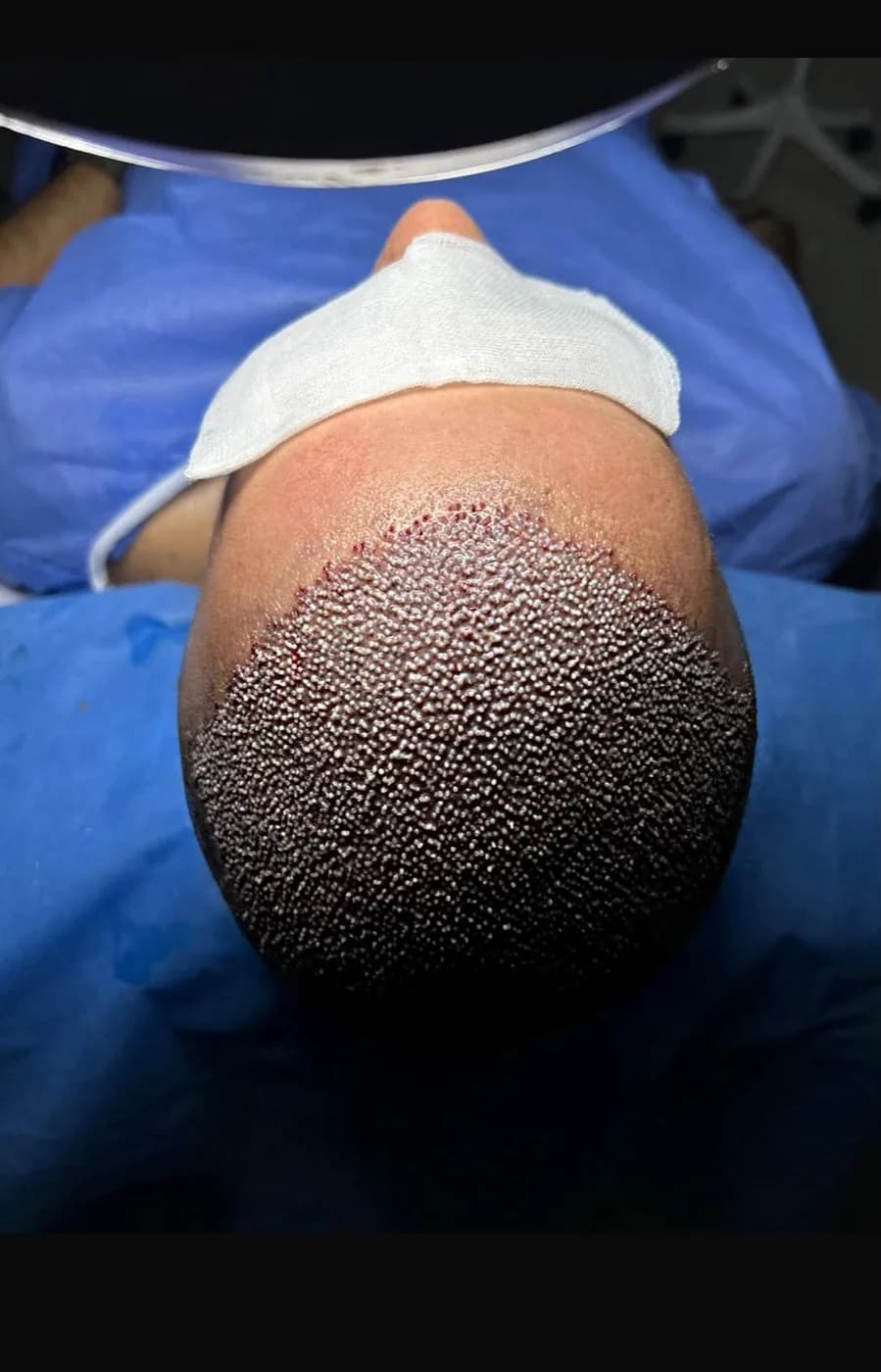



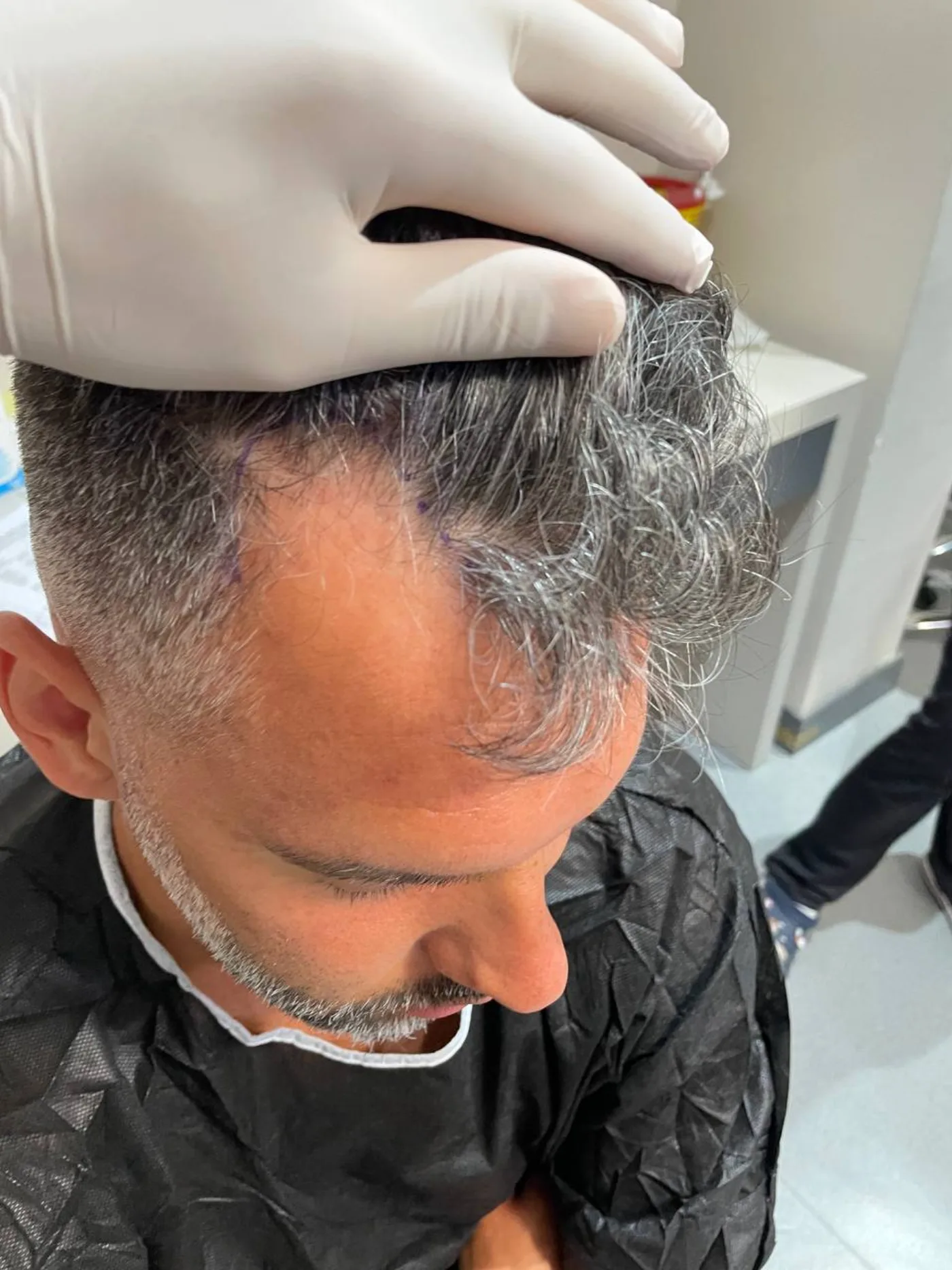
Find out what is really possible with your donor area.
A free assessment, an honest graft count and a clear answer on whether surgery is the right move right now.