
Istanbul, Türkiye
Hair transplant in Istanbul, explained end to end.
One page covering the whole thing: what the operation actually does, who it works for, what it costs, what the eighteen months afterwards look like, and the questions that separate a surgical practice from a package operation.
What a hair transplant actually is
A hair transplant does not create hair. It moves it. Follicles at the back and sides of the scalp are genetically insensitive to dihydrotestosterone, the hormone that progressively miniaturizes follicles on the top of the head. Relocate one of those resistant follicles to a thinning area and it keeps its own character: it grows, cycles and survives as it always would have. This is called donor dominance, and it is the entire principle the field rests on.
Two consequences follow, and most disappointment in hair transplantation comes from ignoring one of them. First, the supply is finite — the safe donor zone holds a fixed lifetime budget, commonly in the region of 4,000 to 7,000 grafts across all sessions, and it does not regenerate. Second, the operation does nothing for the native hair it is planted among. If that hair keeps failing, a beautifully executed transplant ends up as an island.
A good plan therefore spends a limited budget on the areas that do the most visual work, and pairs surgery with a medical plan for everything it is not treating.
How the day runs
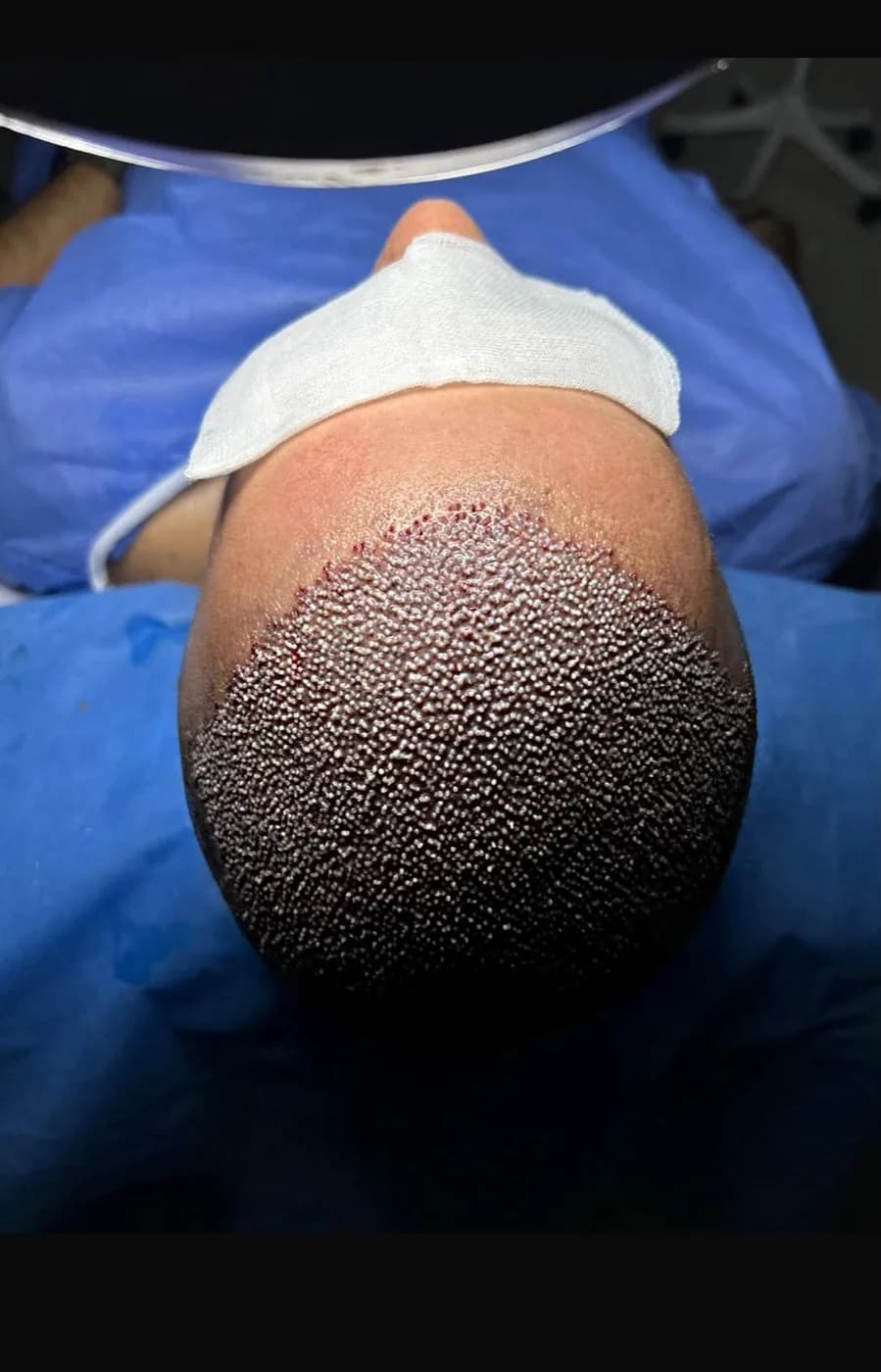
A 2,500–4,000 graft case is a full day — typically six to nine hours including breaks, under local anesthesia. You are awake throughout; you can talk, eat and use your phone, and the only genuinely uncomfortable part is the first ten to fifteen minutes of anesthetic injection.
| Stage | Roughly | What happens |
|---|---|---|
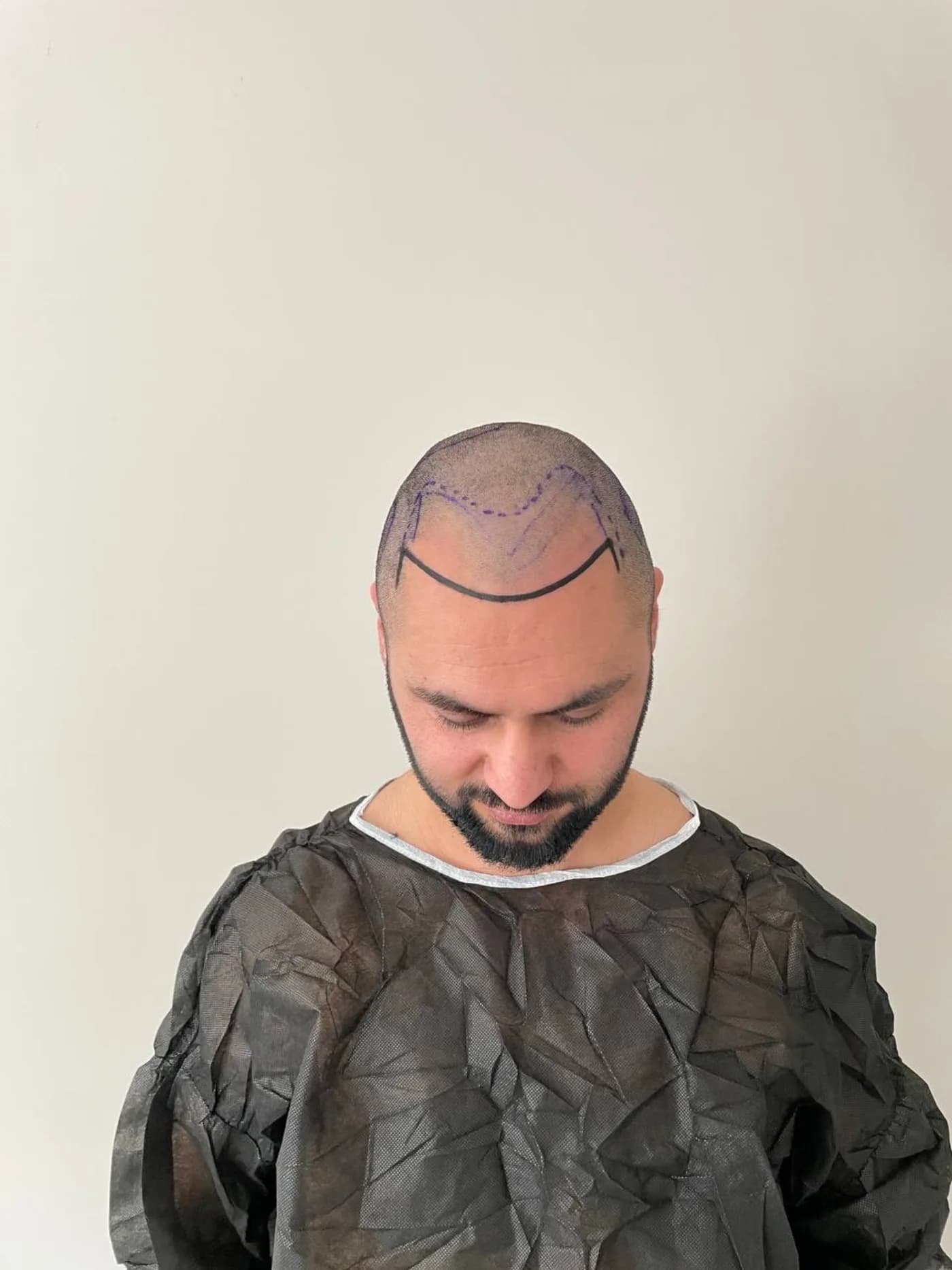
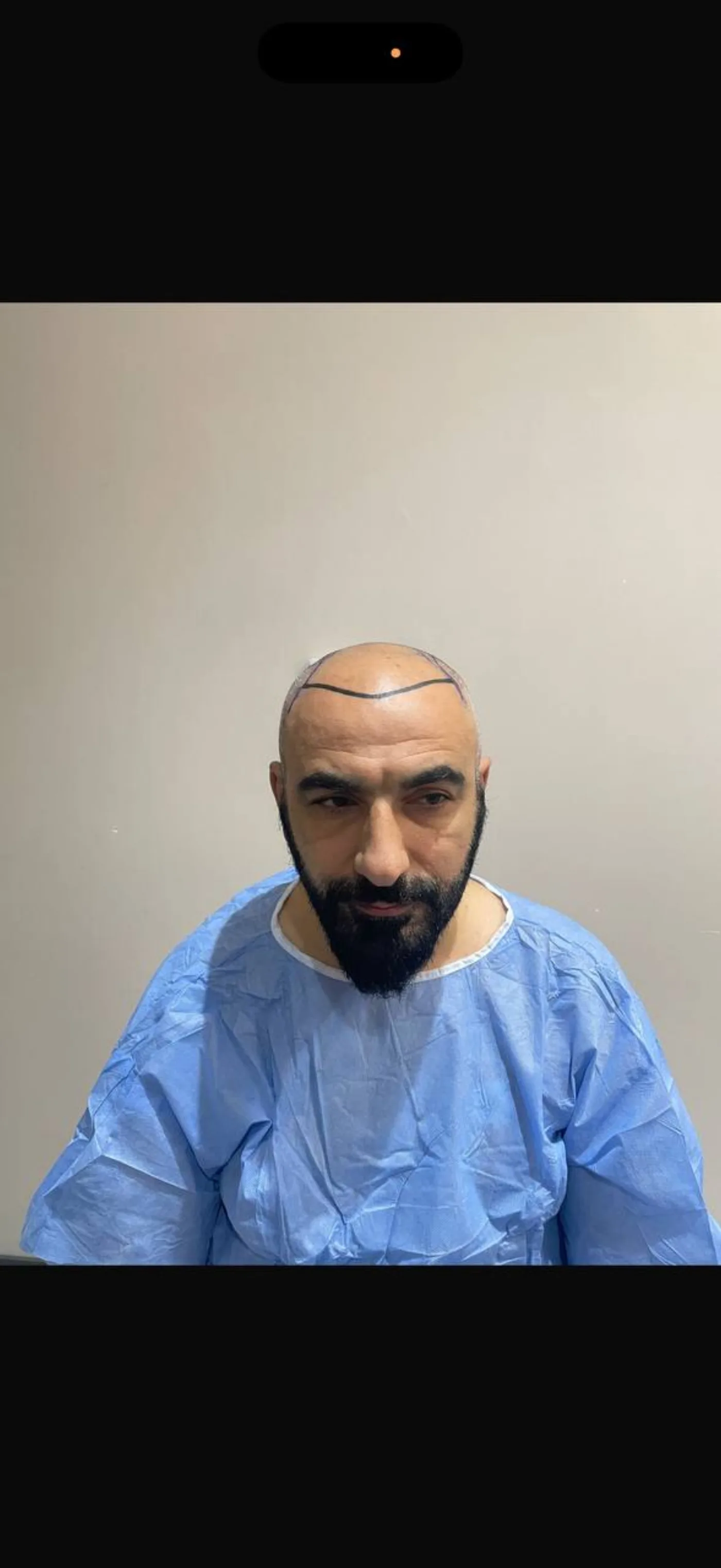
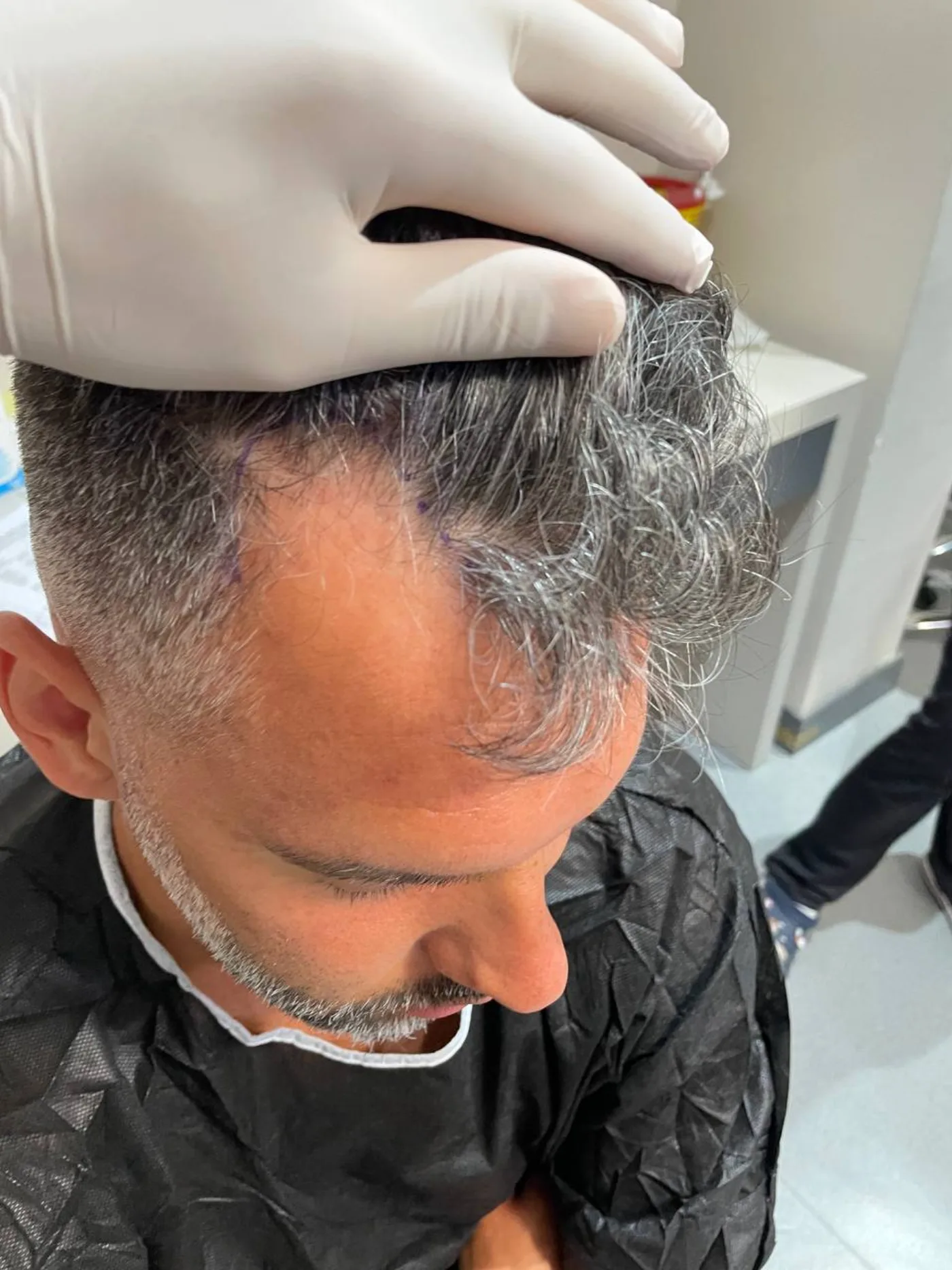
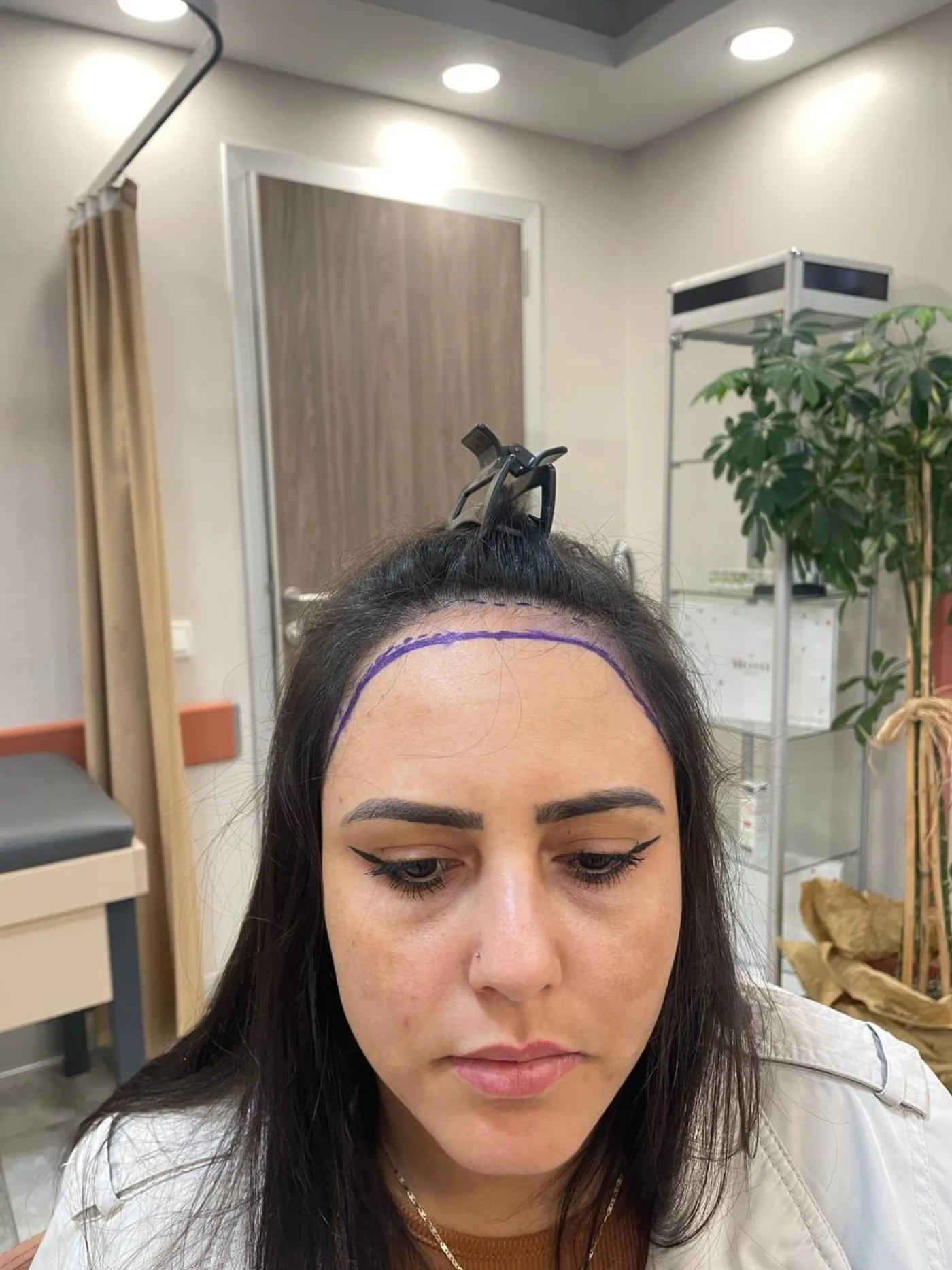
| Design | 45 – 60 min | The hairline is drawn on you, standing, in natural light. Nothing starts until you approve it in a mirror. |
| Anesthesia | 15 – 20 min | Ring block to donor and recipient areas, staged so it is tolerable. |
| Extraction | 2 – 4 hrs | Follicular units removed one at a time with a 0.7–0.9 mm punch, distributed across the safe zone. |
| Sorting | Continuous | Grafts counted, graded by hair count and held in solution. |
| Channels or implanters | 1 – 2 hrs | Angle, depth and direction set for every recipient site. |
| Implantation | 2 – 3 hrs | Single-hair units along the hairline, multi-hair units behind them for volume. |
| Discharge | 30 min | Written aftercare instructions, medication and the first wash scheduled. |
The three variables that decide whether the result reads as natural hair — the angle at which each graft enters the skin, the direction it points relative to its neighbors, and its depth — are all set in the last two stages. At Azrak Hair they are performed by the operating surgeon rather than delegated, which is why the clinic takes one patient per surgeon per day.
Which technique, and why it matters less than you think
Sapphire FUE opens recipient channels with a crystal-tipped blade and then places grafts into them; DHI uses a Choi implanter to make the incision and deposit the graft in a single movement. Extraction is identical in both. DHI suits unshaven work, dense frontal placement and eyebrows; Sapphire FUE is more efficient across large areas and the crown. The two are frequently combined in one plan.
The full comparison, including where each is genuinely better, is on the Sapphire FUE vs DHI page. The short version: technique is a surgical decision, and execution is the variable that matters.
Who it works for — and who it does not
Candidacy comes down to three things: a pattern that has declared itself, a donor area dense enough to fund the area you want covered, and expectations set at coverage rather than the density of a teenager. When all three are present, hair transplantation is one of the most reliably satisfying elective procedures in medicine. When one is missing, the honest recommendation is to wait, to medicate, or to do less.
- Good candidate: stable or medically stabilized loss, measurable donor density, a defined area to cover, realistic goals.
- Wait: under about 25, with rapidly advancing loss and no medical therapy in place.
- Investigate first: diffuse thinning in women, or any loss with sudden onset, scarring, itching or inflammation — these need a diagnosis before an operation.
- We usually decline: active untreated scalp disease, donor supply that cannot fund the request, or expectations no surgery can meet.
Recovery, month by month
Recovery has a well-known shape, and the part that alarms people is entirely normal. Crusting clears in ten to fourteen days. Then, between weeks three and eight, the transplanted hairs fall out — most of them. The follicle beneath survives and simply enters a resting phase before restarting its cycle. Patients who were not warned arrive convinced the operation failed.
New growth begins around month three to four, fine and wispy at first. By month six most people are pleased in the mirror and have roughly half their eventual density. The frontal result is mature at twelve months; the crown, which cycles more slowly, is fairly judged at fifteen to eighteen months. The full timeline and the aftercare program cover this in detail, including what is not normal and when to call.
What it costs
In Türkiye a hair transplant is usually priced as a package. The market range runs roughly from €1,500 to €4,500 depending on how the clinic is set up, the technique and — above all — whether a surgeon or a technician performs the work, and it goes higher at surgeon-led clinics. In Europe and the US the same procedure is priced at €/$3–12 per graft. No number is meaningful until someone has measured your donor density, because that measurement sets the ceiling on the plan. The cost page breaks down what moves the price and what should be included in a written quote.
Common questions
- Is a hair transplant permanent?
- The transplanted follicles are permanent, because they come from a part of the scalp that is genetically resistant to DHT and keep that resistance after being moved. The native hair around them is not protected by the operation, which is why medical therapy is usually part of the plan.
- How long until I look normal?
- Presentable to strangers at around day ten to fourteen, once crusting has cleared and redness has faded. Visibly improved from month four to six. The frontal result matures at twelve months, the crown at fifteen to eighteen.
- Will anyone be able to tell?
- In the first two weeks, yes. After that the giveaway is usually design rather than healing — a hairline that is too low, too straight or too dense for the face it sits on. That is a planning failure, not a surgical one.
- Am I too old, or too young?
- There is no upper limit as long as donor supply and general health allow. Being young is the more common problem: under about 25 the final pattern has not declared itself, and building a low hairline before it does spends donor hair that will be needed later.
- What if I have had a transplant elsewhere that went badly?
- Revision is a distinct discipline — removing or camouflaging pluggy grafts, reducing density where it looks artificial, correcting a hairline placed too low, and working with whatever donor was left. It is planned differently and takes longer.
Surgical procedures in detail
Six surgical pages, each covering candidacy, the sequence of the day, graft ranges and the cases we decline.
Find out what is really possible with your donor area.
A free assessment, an honest graft count and a clear answer on whether surgery is the right move right now.