
Skip to content
Azrak Hair Clinic — Hair Transplant Clinic

11 procedures, three departments

Everything we do and who it is for.

Surgical transplantation, facial work, and the non-surgical treatments that defend the hair you still have. Each page explains the technique, who it suits and — just as importantly — who it does not.

Department

Surgical Hair Transplant

Follicular unit extraction performed by the operating surgeon — with sapphire-tipped blades or Choi implanter pens.

Avg. duration
6–8hours
Setting
Same-day

How to work out which procedure suits you

Eleven procedures across three departments sounds like more choice than it is. In practice the decision tree is short, and most patients can place themselves on it before they speak to anyone.

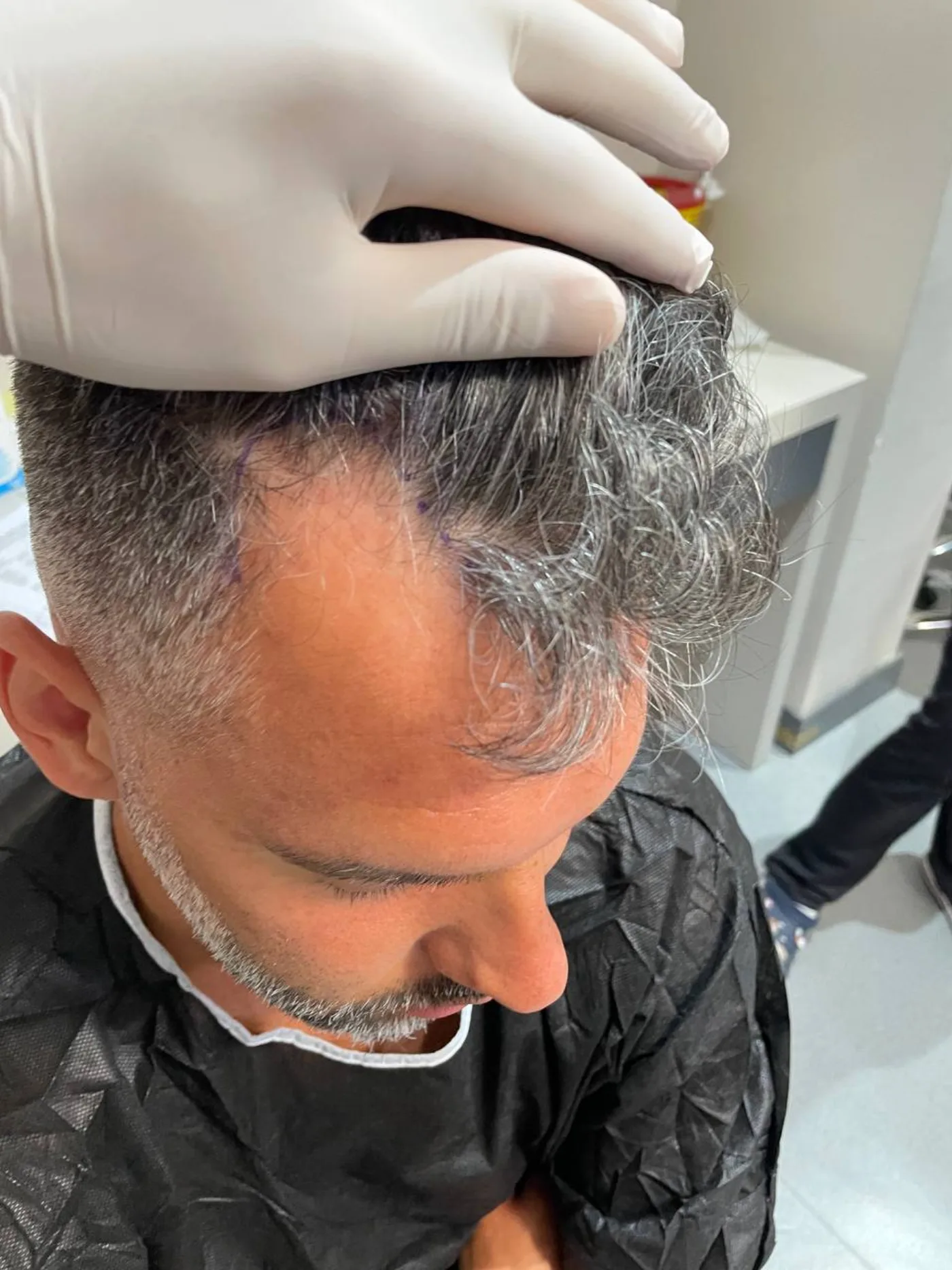
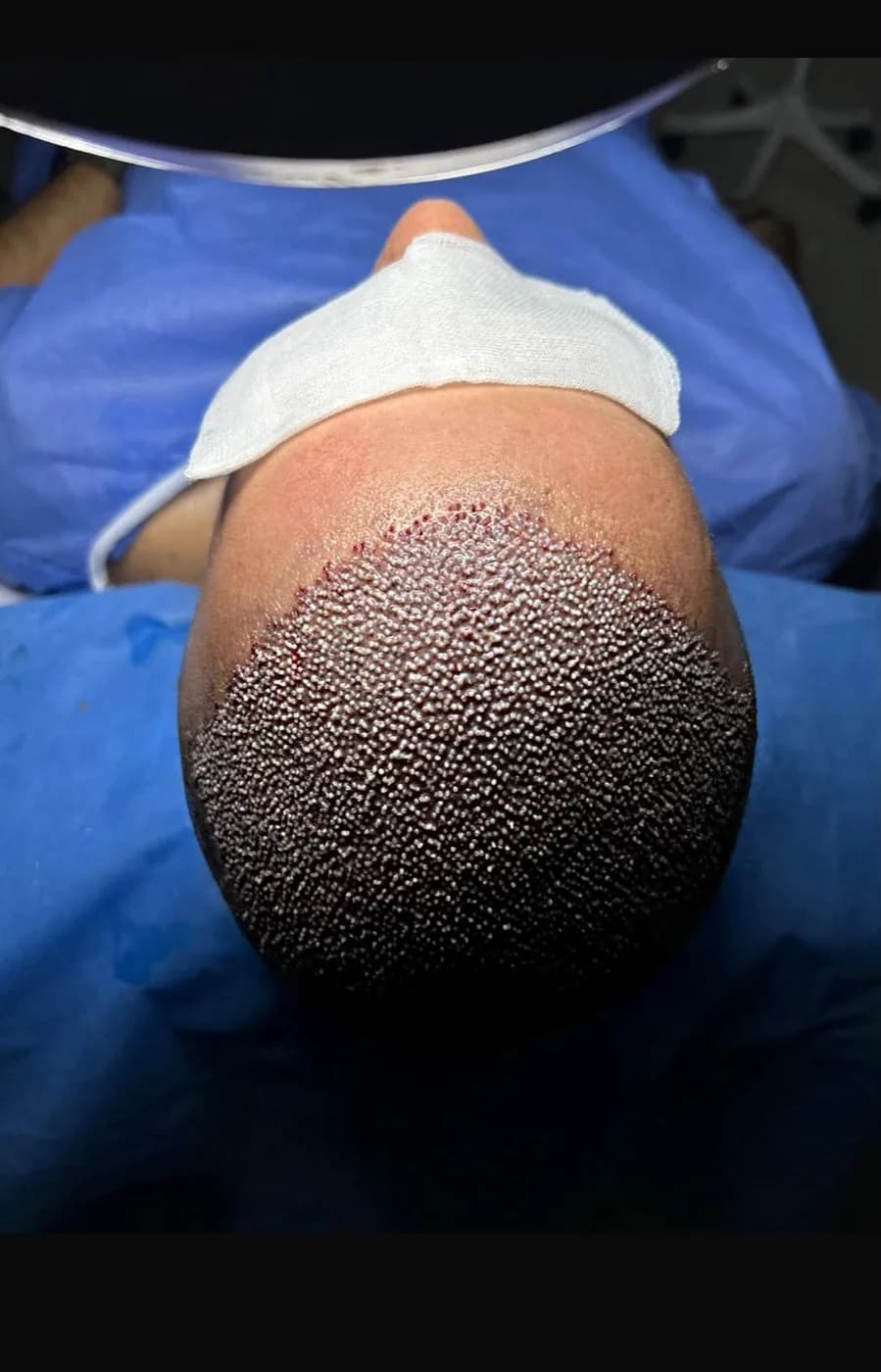
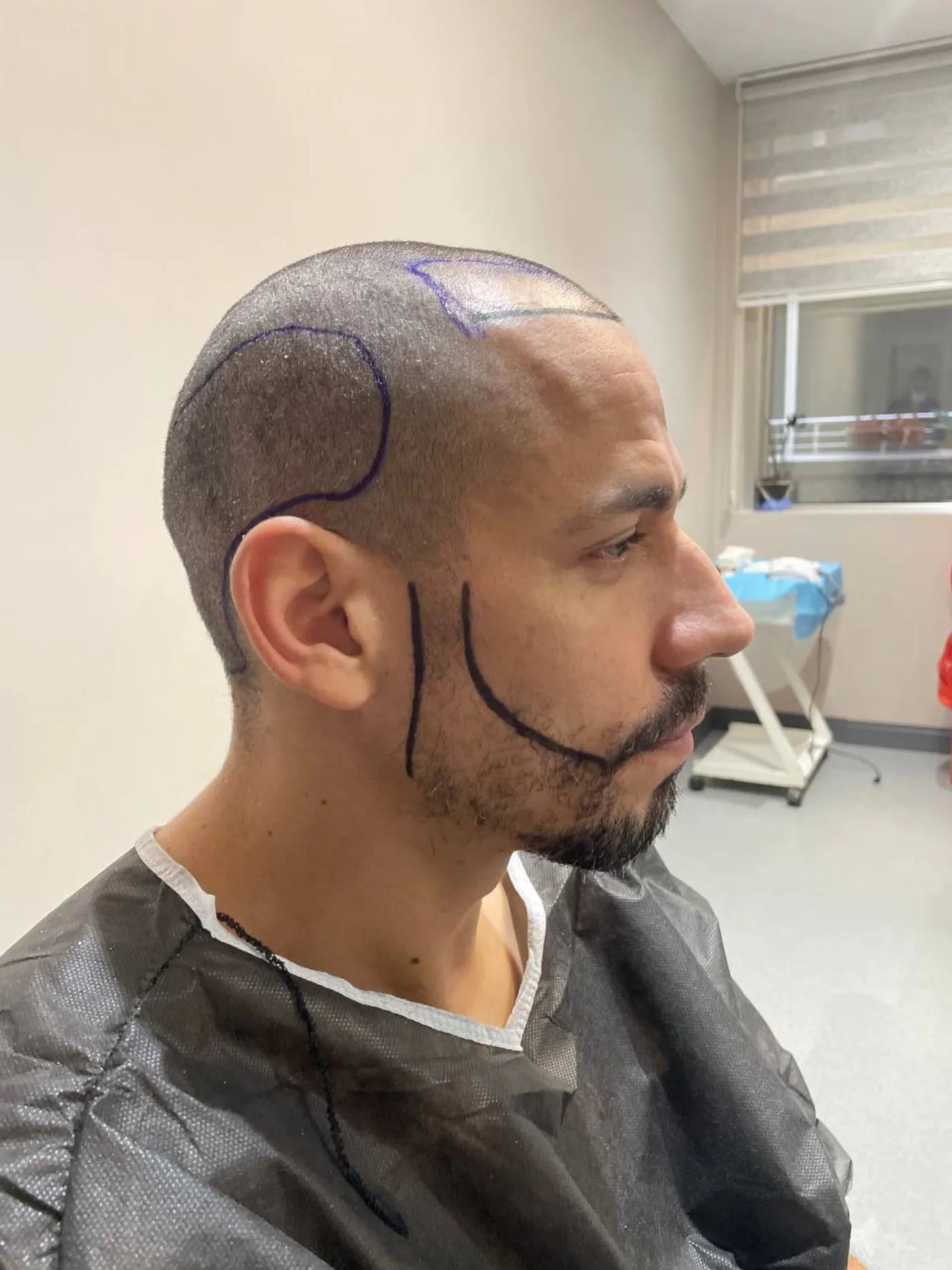
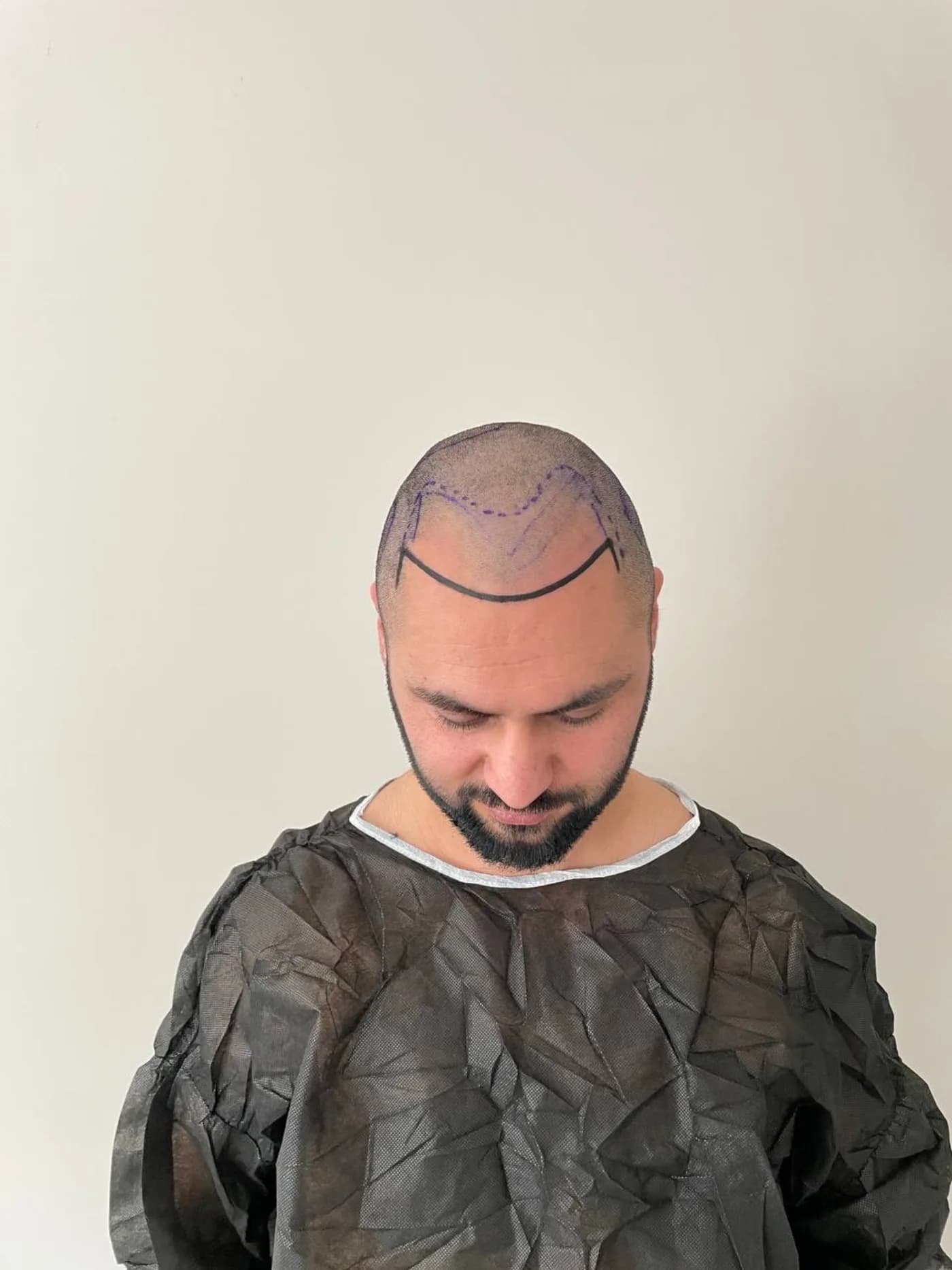
  • Established loss with a visible bald or thinning area, and a healthy donor: this is surgical territory. Sapphire FUE for large areas and the crown; DHI where frontal precision or unshaven work matters.
  • Loss that is still mostly miniaturization rather than absence — hair that is finer and shorter but still there: medical therapy first, supported by PRP or mesotherapy. Surgery is premature.
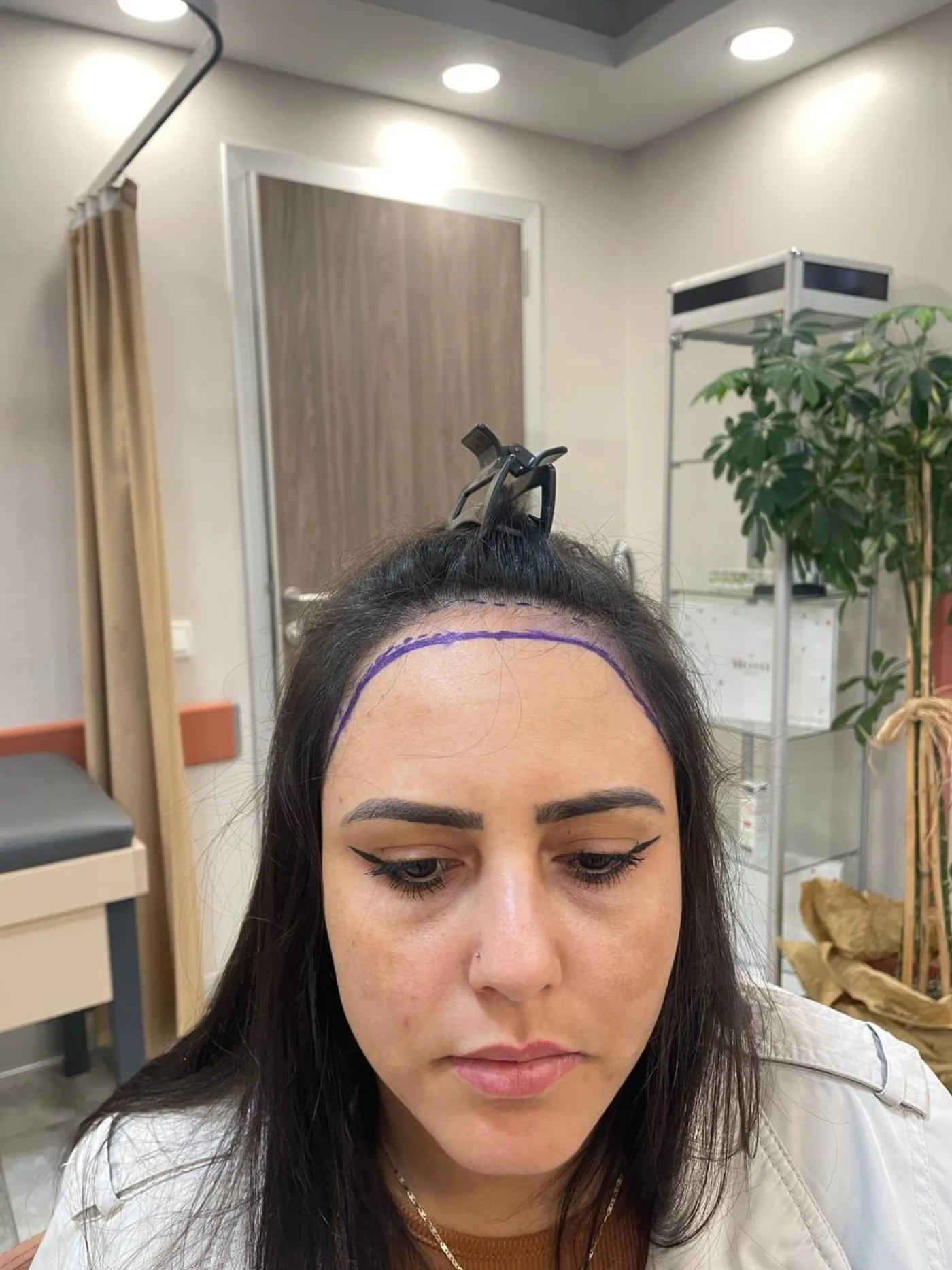
  • Diffuse thinning in a woman, or any loss with sudden onset, itching, redness or scaling: diagnosis first. That may or may not lead to surgery, and it should not lead there quickly.
  • A previous transplant that looks wrong: revision, a distinct discipline with different planning, different sequencing and more conservative expectations.
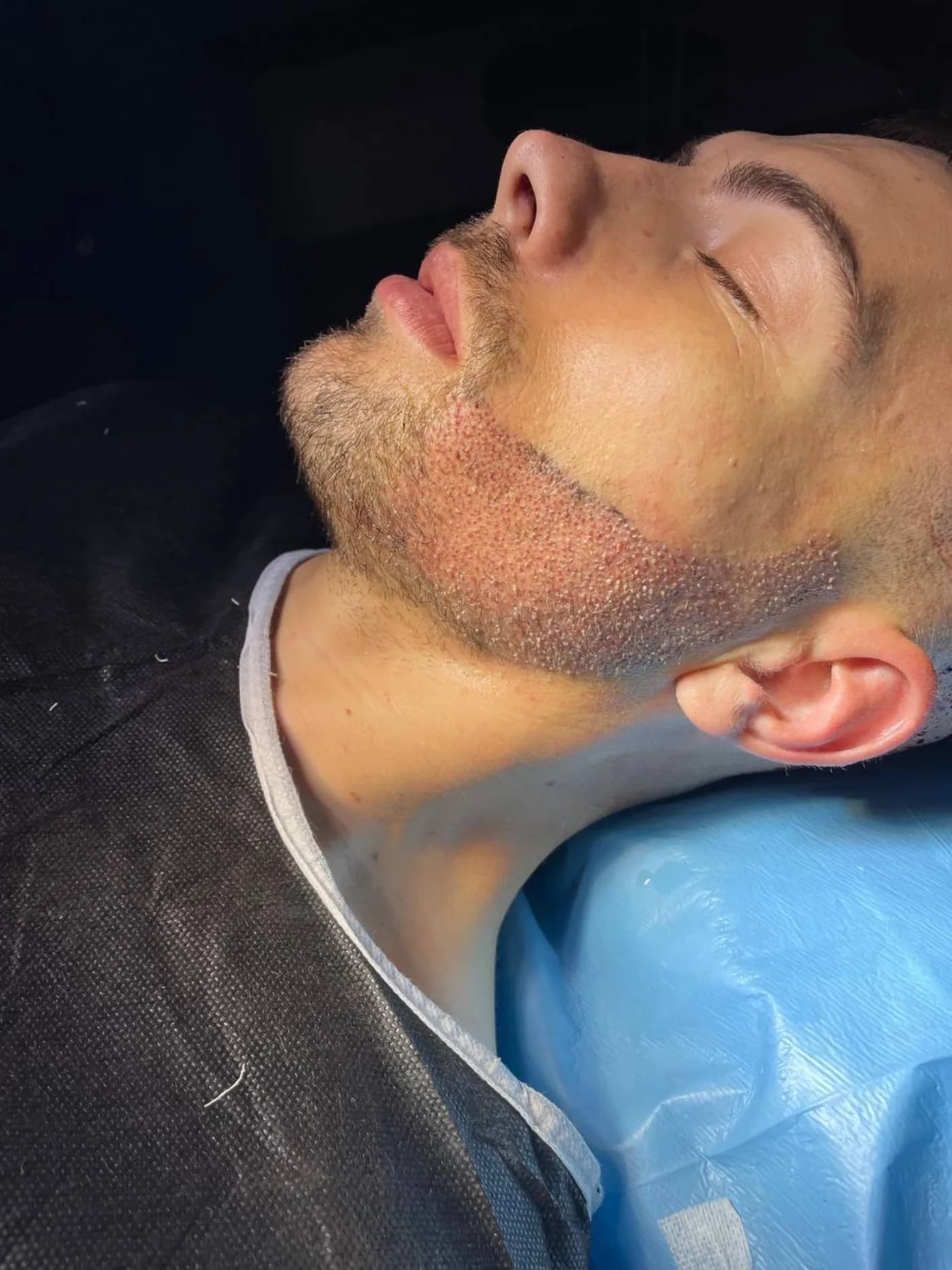
  • Facial rather than scalp goals — a patchy beard, scarred or over-plucked eyebrows: facial transplantation, which uses the same donor supply as a scalp procedure and therefore competes with it.

Why the departments are divided this way

Surgical hair transplantation, facial transplantation and hair health are grouped separately because they answer different questions. Surgery moves follicles into an area that has none. Facial work is technically surgery too, but the design constraints are entirely different — flatter angles, single-hair grafts, and an area people look at directly in conversation. Hair health treatments do not move anything; they defend hair that is still present.

The most common planning mistake is treating these as alternatives. A transplant and a medical plan are not competing options for the same patient — they target different hair. Surgery restores an area; treatment protects everything around it. A plan with only one of the two usually needs a second operation sooner than it should.

Not sure where you stand?

A free assessment gives you a measured graft range and a clear answer on whether surgery is the right move this year.

Get a free assessment

Find out what is really possible with your donor area.

A free assessment, an honest graft count and a clear answer on whether surgery is the right move right now.

Contact details