
Skip to content
Azrak Hair Clinic — Hair Transplant Clinic

Istanbul, Türkiye

A clinic built around one patient a day.

Azrak Hair Clinic is a hair transplant clinic in Istanbul. The model is deliberately small: one operating day, one patient, one surgeon who performs the entire procedure. Everything else about how we work follows from that decision.

What we believe

Four principles
we don’t compromise on.

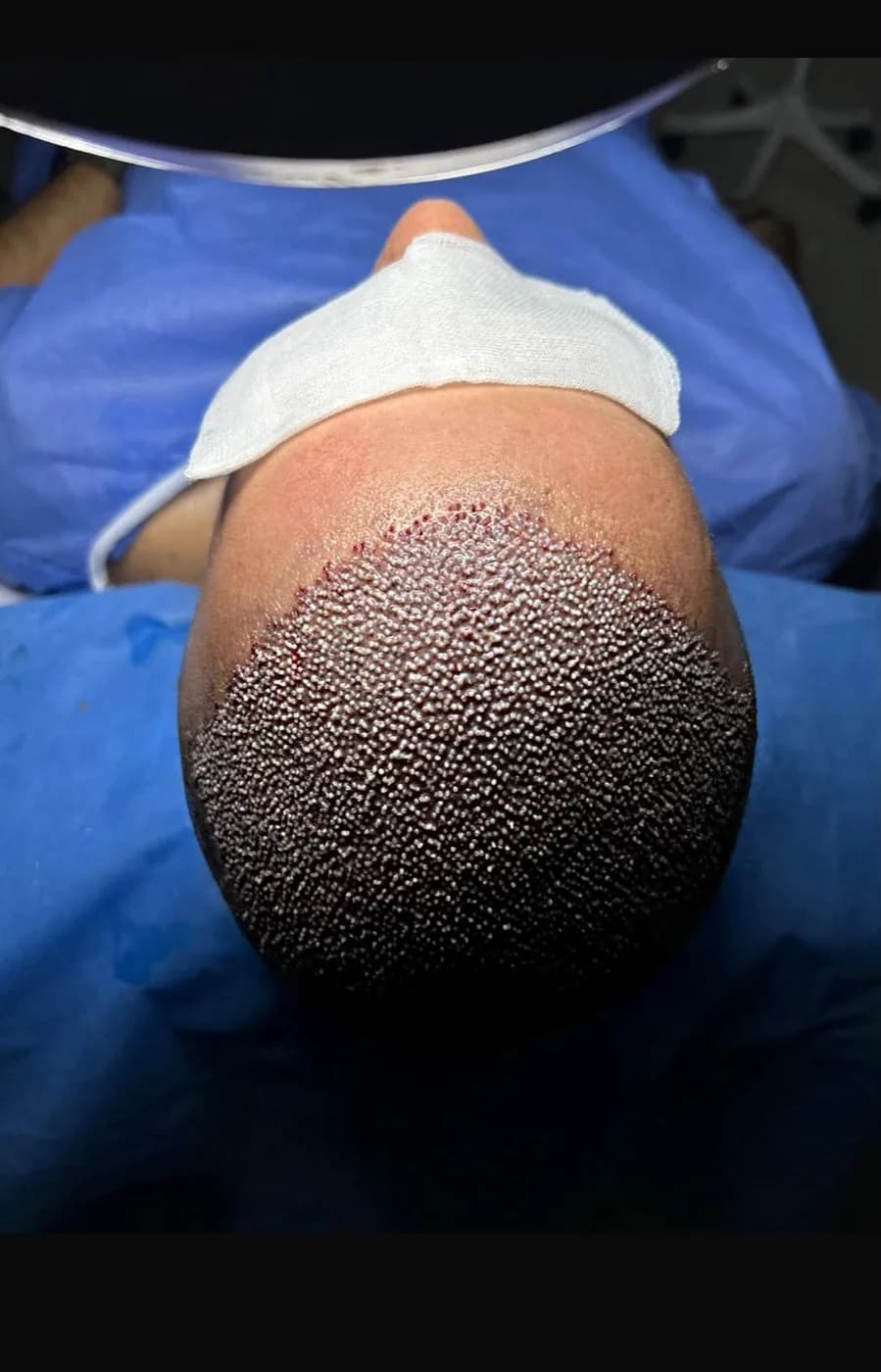
Recipient area after implantation is complete — during the procedure
The recipient area once implantation is complete: every graft at its own angle and direction, inside the planned line. Photo from one of the clinic’s own procedures.
01

Density is bought with attention, not with grafts

Two surgeons can implant the same 4,000 grafts and produce visibly different results. The difference lies in the angle, depth and spacing of every channel, and in whether the person placing graft number 3,800 is as careful as they were at graft number 40. That is a function of how many patients share the day.

02

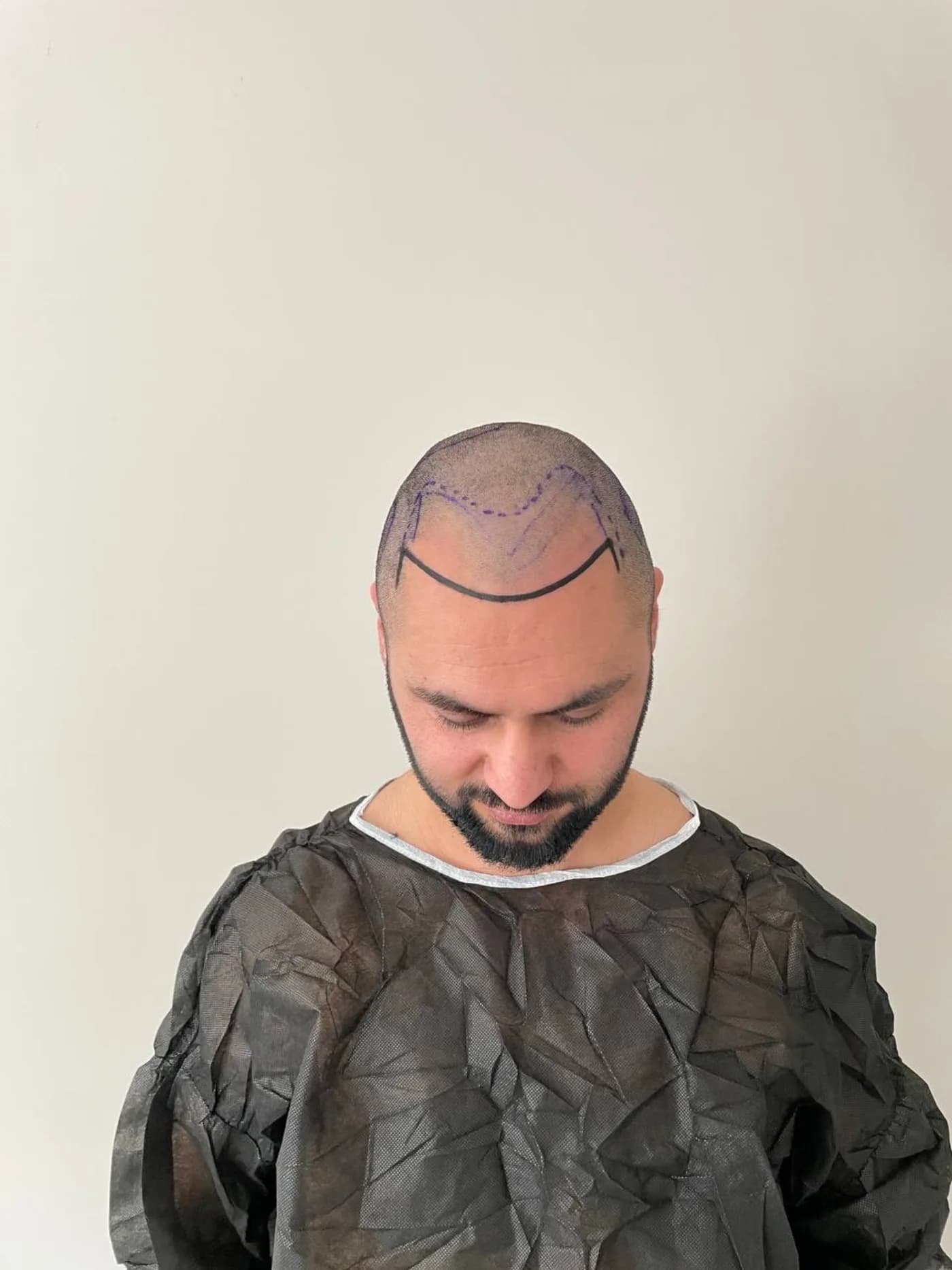
The hairline is a thirty-year decision

A low, aggressive hairline photographs beautifully at month twelve; at fifty-five, when the hair behind it has receded and the transplanted line is left stranded, it looks wrong. We design for the face you will have in thirty years, and we will argue with you about it if we have to.

03

Saying no is part of the service

A donor area that cannot fund the coverage you want. Hair loss that is still advancing. A twenty-two-year-old patient who wants their teenage hairline back. In each case the honest answer costs us a booking and saves you from a result you would regret.

04

The result takes a year, and so does the relationship

Surgery is a single day in a twelve-month process. Structured, photo-documented check-ups at months 1, 3, 6 and 12, and direct access to the clinical team in between — including the shock-shedding weeks, when most patients need reassurance more than anything else.

Why Azrak Hair

Six things we do differently.

Most of what separates an excellent hair transplant from a mediocre one never shows up in a brochure. It lies in who holds the punch, how many patients share the day, and whether someone is willing to turn you away.

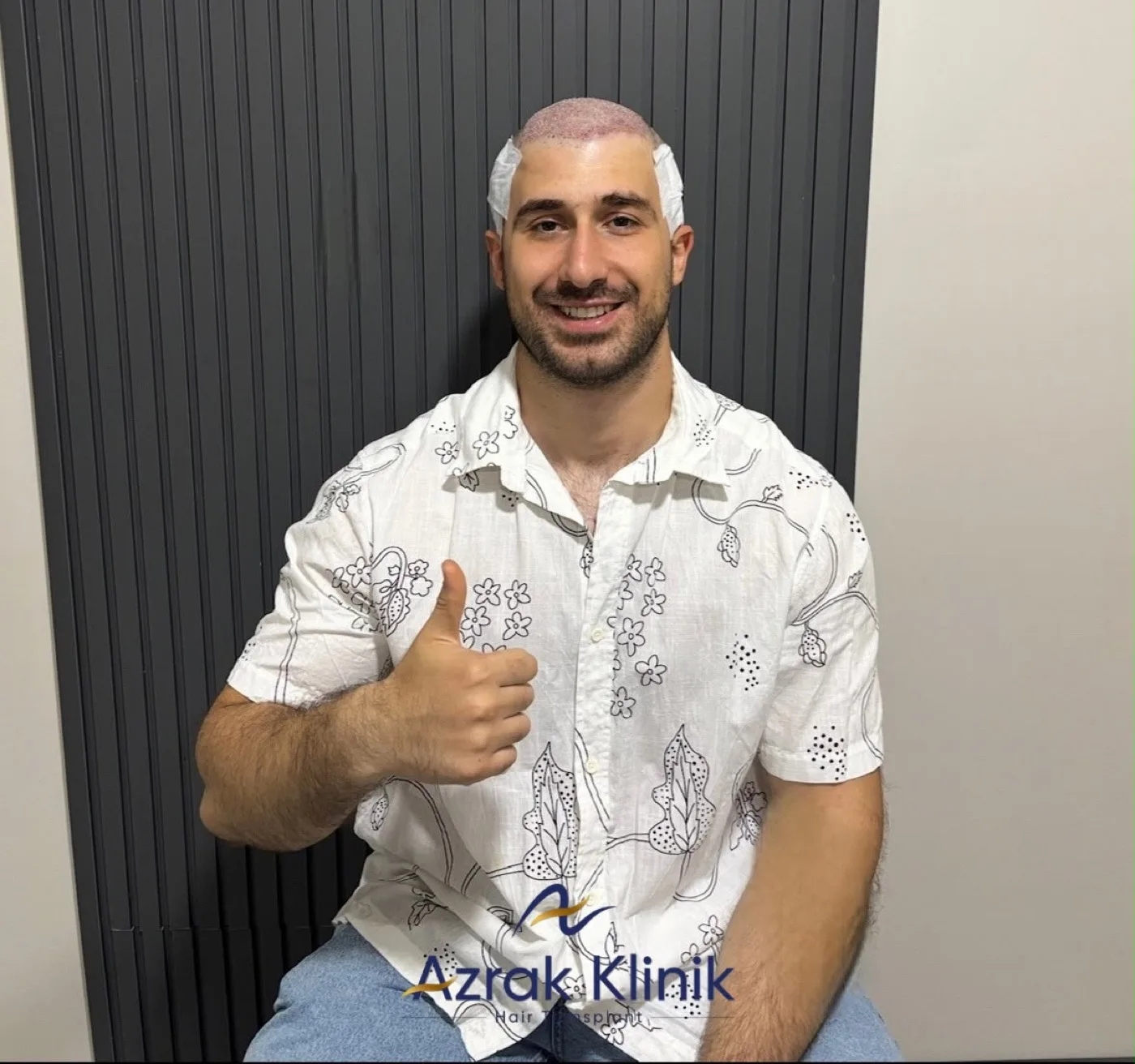
A patient at Azrak Hair Clinic at the end of the operation day
End of the operation day, before leaving the clinic. The transplanted area looks pink like this in the first days; this is expected.

The surgeon does the surgery

In much of this industry, the surgeon designs the hairline and technicians do the rest. Here the surgeon performs the extraction, channel opening and implantation. It is the single biggest variable in your result.

One patient per day

No parallel operating rooms, no rotating between three patients. The clinical day belongs to one person — the only way an eight-hour operation gets eight hours of attention.

We decline cases

If your donor area cannot supply the coverage you want, or your hair loss has not stabilized, we tell you. Saying no at the consultation costs you less than saying nothing and taking a deposit.

You talk to the surgeon, not a salesperson

Your consultation is a clinical conversation. No commission-based advisor, no offer that expires at midnight, no discount for booking today.

Both techniques, the right one chosen

Sapphire FUE and DHI are both available at the clinic. Which one you get — or which combination — is decided by your donor area and coverage needs, not by what the clinic prefers to sell.

Twelve months of follow-up

Structured, photo-documented check-ups at months 1, 3, 6 and 12, plus direct access to the clinical team throughout. The operation takes a day; the result takes a year.

One patient per surgeon per day — and what it costs us

The commercial logic of hair transplantation pushes hard in one direction. A surgeon who designs four hairlines in a morning and hands each case to a team of technicians can operate on four patients a day. A surgeon who performs the extraction and implantation personally can operate on one. The first model generates roughly four times the revenue from the same surgical hours, which is why it dominates the industry worldwide.

We run the second model, and it is worth saying plainly why rather than presenting it as a matter of taste. Three variables decide whether a transplant reads as natural hair: the angle at which each graft enters the skin, the direction it points relative to its neighbors, and its depth. Those decisions are made thousands of times in a day, at the end of a long day, on a scalp that curves in three dimensions. It is not work that survives delegation.

The result is a smaller clinic, a longer waiting list and a higher price than a package clinic. That is the trade-off, stated plainly.

What we will not publish

Much of what this industry advertises cannot be verified by the patient reading it, and a certain share of it is simply made up. We have taken the position that a claim we cannot document never appears on this site, even when its absence makes us look less impressive than a competitor.

  • No patient testimonials until real ones are collected with written consent. Written reviews are trivially easy to fabricate, and we will not publish any we did not receive.
  • No aggregate star rating in our structured data, for the same reason.
  • No annual procedure counts, success rates or graft survival percentages. These are the easiest numbers in the industry to inflate and the hardest for a patient to check.
  • No before-and-after photos without documented consent, and no case labeled with a technique or month we cannot verify from the record.
  • No stock photography presented as our clinic, our team or our patients.
  • No guaranteed results. Hair transplantation is surgery, and outcomes vary from person to person.

The cases we decline

A clinic that has never turned anyone away is not selecting its patients. We decline or postpone cases regularly, and the reasons are consistent: a donor area that cannot fund the requested area; rapidly advancing hair loss in someone unwilling to consider medical treatment; a patient under about twenty-five whose pattern has not yet declared itself; active scalp disease; and expectations no operation can meet.

Being told to wait a year is an unsatisfying outcome for a consultation, and a bad one commercially. It is also, in those cases, the right clinical advice — and the donor hair you preserve is what funds every option you will still have at fifty.

Not sure where you stand?

A free assessment gives you a measured graft range and a clear answer on whether surgery is the right move this year.

Get a free assessment

Find out what is really possible with your donor area.

A free assessment, an honest graft count and a clear answer on whether surgery is the right move right now.

Contact details