
Choosing a clinic
How to choose a clinic without getting sold to
Most bad results are not surgical accidents. They are the predictable output of a business model — high volume, fixed packages, and the operating surgeon in the room for twenty minutes.
8 min readReviewed by the Azrak Hair clinical teamUpdated 2026
The question that matters most
Ask who performs each step, by name, and get the answer in writing. In many high-volume clinics the surgeon designs the hairline, greets the patient and leaves; technicians perform extraction and implantation. In some countries that is legal, in others it is not, and the quality of the result depends entirely on technicians whose training and turnover you cannot inspect.
The three variables that decide whether a transplant reads as natural hair — the angle at which a channel is opened, its depth, and the direction it points — are all set during channel creation and implantation. If those are delegated, then whatever the surgeon's reputation, it is not their work on your head.
- Who designs the hairline, and will I see it drawn on me before we start?
- Who opens the channels? Who places the grafts? Are they employees or contracted technicians?
- How many patients does this clinic operate on per day, in total?
- What is your transection rate, and how is it measured?
- What is my donor density in FU/cm², and how was it measured?
Reading before-and-after photographs properly
A results gallery is evidence only if it carries the details that make comparison possible. Most do not.
- Same angle, same lighting, same styling in both photographs. Wet hair before and dry, styled hair after is a lighting trick, not a result.
- A stated month for the 'after' photograph. Month eight and month fourteen are different results.
- Graft count and technique for each case, not for the gallery in general.
- Cases resembling yours: your Norwood stage, hair caliber, and contrast between hair and skin.
- Some crown cases, some repairs, some average outcomes. A gallery containing only spectacular frontal cases in dark, coarse hair is a selection, not a sample.
Pricing structures and what they signal
Per-graft pricing aligns interests badly in one direction: the clinic earns more by extracting more, which is precisely the pressure that ruins donor areas. Fixed packages align them badly in the other: a flat fee 'up to 4,000 grafts' rewards using fewer grafts than planned and rewards selling the largest package to everyone.
Neither structure is disqualifying. What matters is whether the graft number was set by an examination or by a price list, and whether you are told what happens if the surgical plan changes on the day.
Credentials that can be verified
In Türkiye, a physician's diploma and specialty can be verified through the Ministry of Health's physician lookup system, and a hair transplant center's license can be checked with the provincial health directorate. Membership of professional bodies such as the ISHRS is checkable on their register. Facility accreditation is a separate matter from physician credentials and worth asking about specifically.
Awards from marketing directories, badges with no issuing body, and 'as seen in' logos that link to paid placements are not credentials. Neither is a follower count.
Medical tourism, weighed honestly
Istanbul is the largest hair transplant center in the world, and the best clinics here are genuinely excellent. The problem is not the city, it is structural: a compressed consultation, a decision made under time and money pressure after a flight, limited ability to be examined in person before committing, and — the real issue — what happens at month six if something is wrong. These questions apply just as much to a patient traveling to Istanbul from elsewhere in Türkiye.
Post-operative complications and disappointing growth are managed over months, in person. Ask before you book what the aftercare pathway looks like from the city where you live, who reviews your photographs, and what a revision would cost and require.
Warning signs, condensed
None of the following proves a clinic is bad. All of them are worth a direct question, and a clinic worth operating with will answer directly.
- A firm graft number quoted from photographs, before any examination.
- No named surgeon, or a surgeon who cannot be found on any register.
- Guaranteed results, guaranteed density, or a guaranteed number of grafts 'surviving'.
- No written pre-operative instructions or consent documentation.
- Every gallery case is a success and every review is five stars, with none of the ordinary variation of real practice.
- Being told that medication is unnecessary, or that future loss will not happen.
- An aftercare plan that ends when you leave the building.
What a good consultation feels like
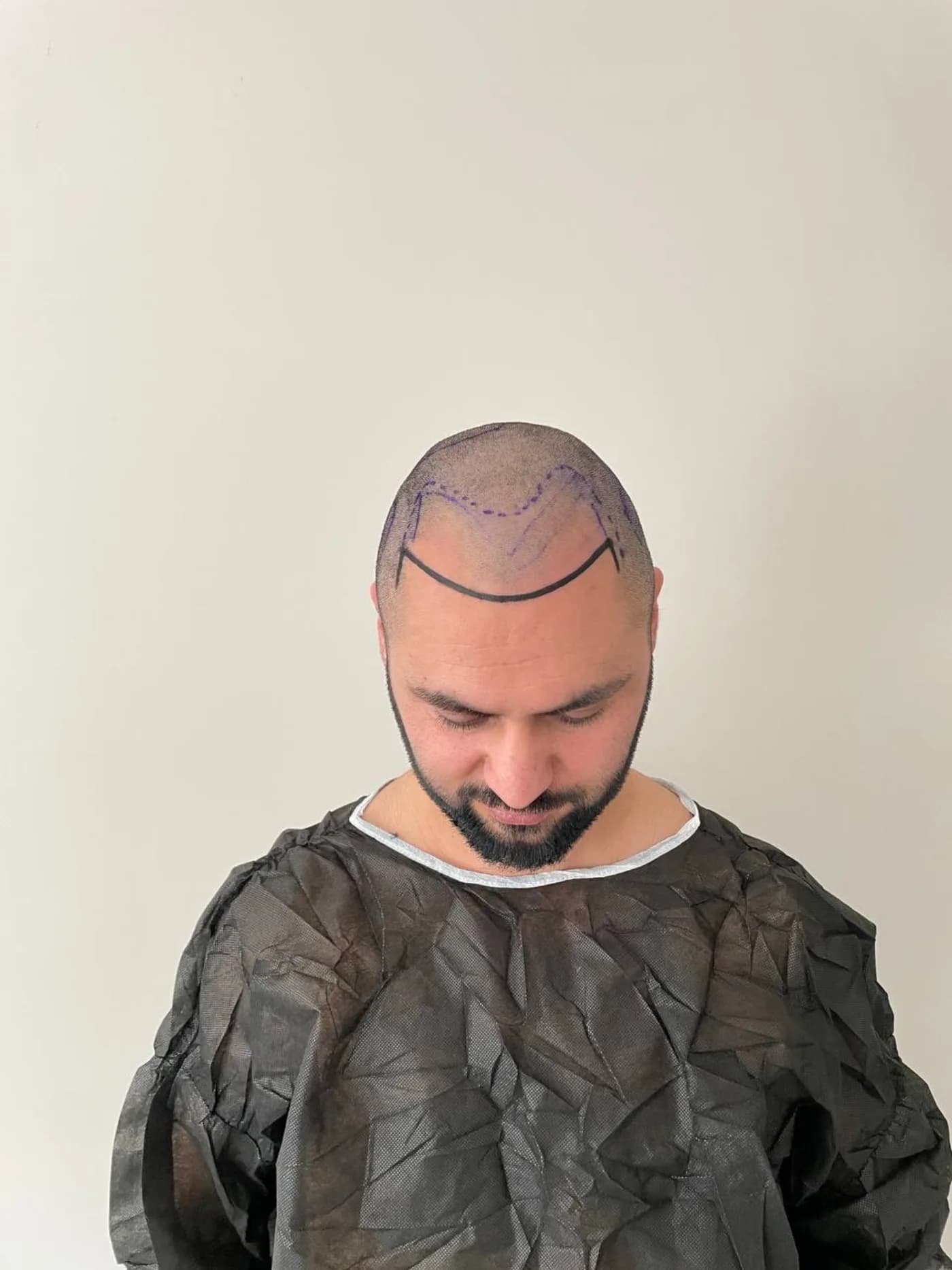
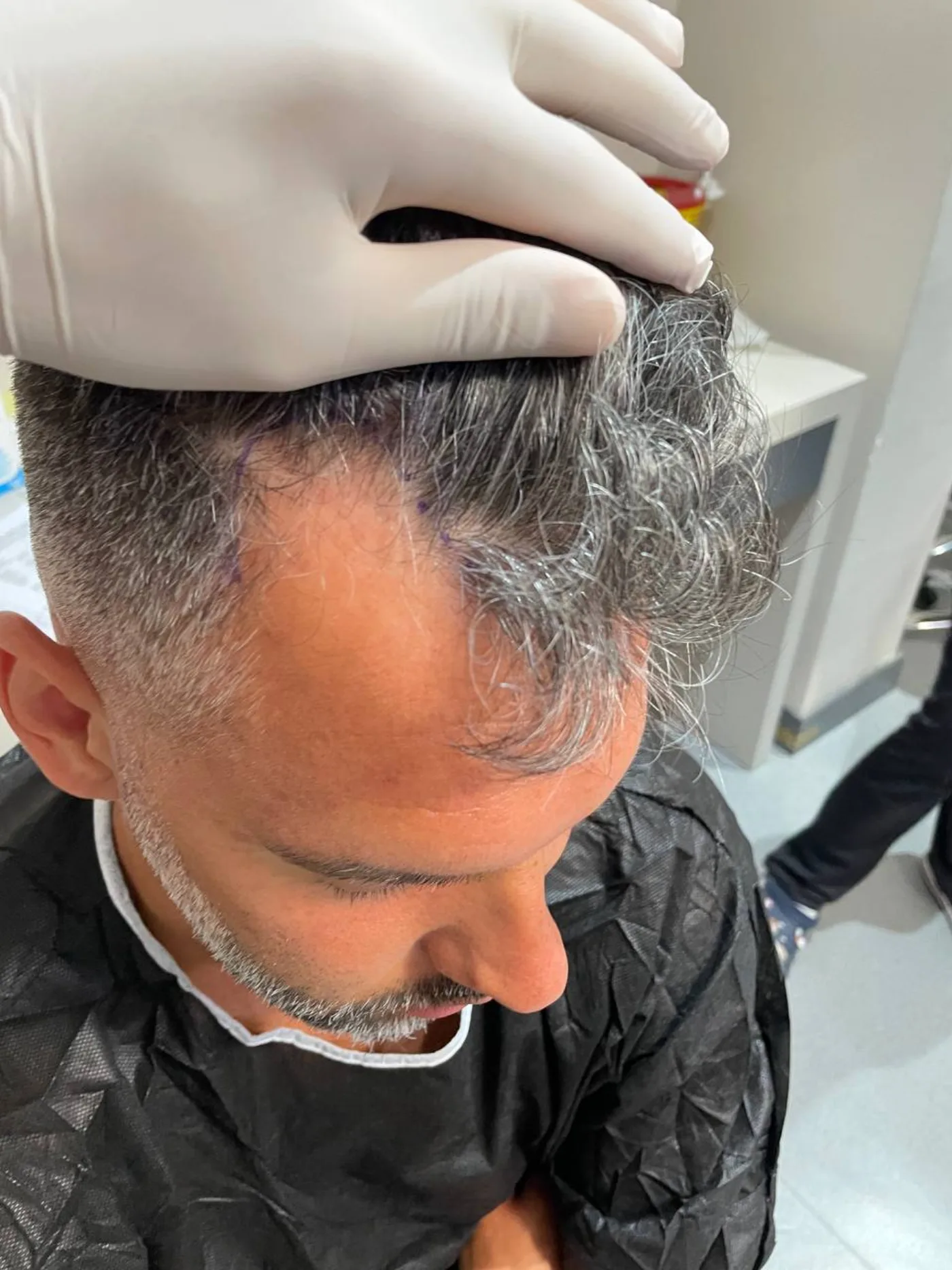
You are examined. Your donor is measured. Photographs are taken from standard angles. You are given a range rather than a number, told what is not being covered and why, and shown a hairline drawn on your own head that you are allowed to disagree with. Someone raises the possibility that you should wait, or medicate first, or do less than you asked for.
You leave with written information and without having been asked for money that day. If a consultation instead ends with a countdown timer on a discount, you have been to a sales meeting.
Frequently asked questions
- Is a cheaper clinic necessarily worse?
- No. Price differences are largely driven by labor costs, facility costs and currency, not by surgical quality. The structural questions — who operates, how many patients per day, what aftercare looks like from your city — matter far more than the price itself.
- Should I trust online reviews?
- Read the three-star ones. They are where the ordinary variation of real practice shows up, and their absence in a large review set is itself informative.
- How many consultations should I have?
- At least two, ideally with clinics that have different commercial structures. Disagreement between them about your graft number and hairline height is the most useful information you will get.
This article is general information about hair transplantation, not medical advice about your case. Whether any procedure or medication is right for you can only be decided after an examination. Read the full medical disclaimer.
Find out what is really possible with your donor area.
A free assessment, an honest graft count and a clear answer on whether surgery is the right move right now.