
Coming to Istanbul
Four nights, properly planned.
Most of our patients come from outside the city. Here is exactly how long to stay, what each day involves, what to bring, and how the twelve-month follow-up works once you are back home.
The trip
Day by day
Plan three nights as the absolute minimum and four for comfort. The wash the day after surgery is not optional — it is when we check the grafts and teach you the washing technique you will use for the next two weeks.
- Day 1
Arrival and in-person consultation
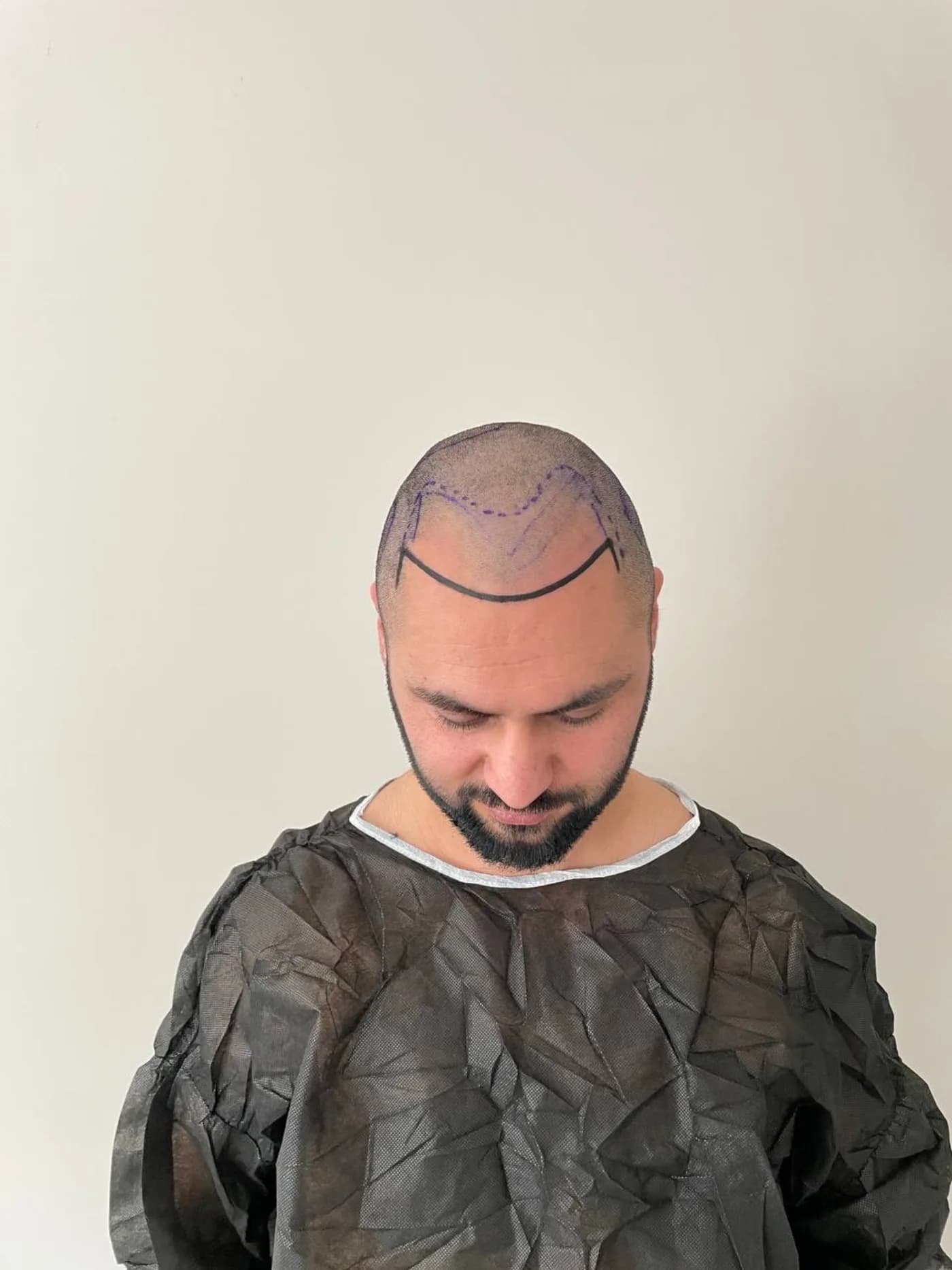
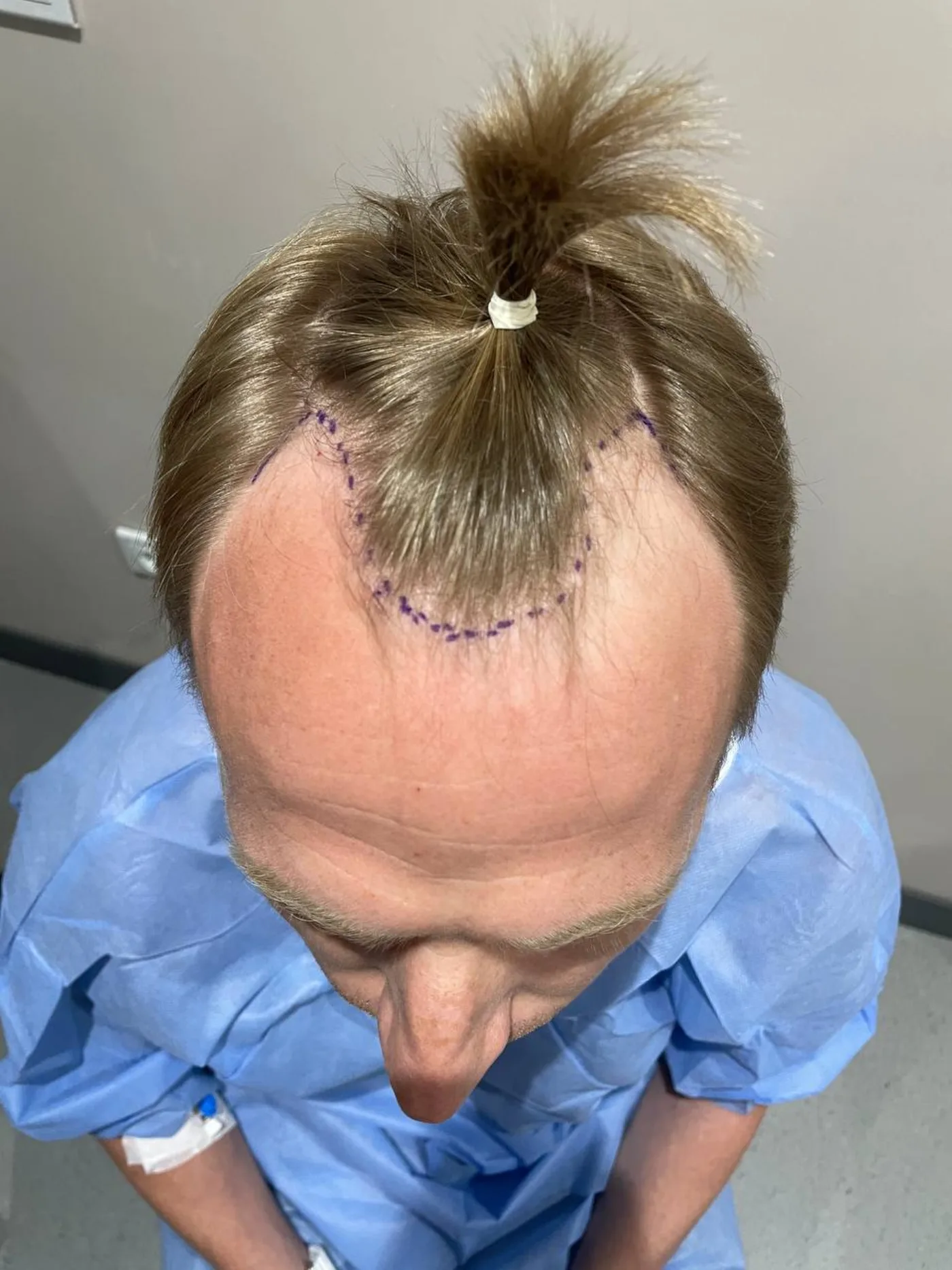
You are examined in person — trichoscopy, donor density measurement and a review of any blood tests. The hairline is designed and photographed. The graft count is confirmed in writing. If anything found that day changes the plan, we tell you before you give consent, not after.
- Day 2
Surgery
Arrive in the morning, leave the same afternoon or early evening. Six to nine hours depending on the graft count, with meal breaks. Bring headphones and something to watch. You will be awake and comfortable throughout.
- Day 3
First wash and discharge check
You come back to the clinic and the team does the first wash, so you have done it once under supervision before doing it on your own. You leave with your aftercare kit, written instructions, medication and direct contact details for the clinical team.
- Day 4+
Going home
Most patients travel home on day four. Leaving on day three is possible; it is not what we recommend. If you are flying, book an aisle seat so nothing presses on your head, and do not wear a hat that touches the grafts unless we have approved it.
What to bring
- A button-up or zip-up top — nothing that goes over your head in the first week
- A list of every medication and supplement you take, with doses
- Any recent blood tests, especially ferritin and thyroid
- Photos of your hair from five to ten years ago, if you have them
- A loose hood or a hat we have approved — for the sun, not for hiding
Accommodation and transfers
Stay a short drive from the clinic — you will make the trip three times in four days, and you will not want a long journey the morning after surgery.
Pending confirmation: whether the clinic provides airport transfers, a partner hotel rate or an interpreter. We do not list services here until the clinic confirms it actually offers them — ask us directly and you will get a clear answer.
Follow-up when you live somewhere else
Traveling for surgery raises a fair question: what happens if something goes wrong when you are a thousand kilometers away?
For twelve months you keep a direct line to the clinical team, and the month 1, 3, 6 and 12 check-ins are done by photo on a fixed protocol — same angles, same light — so the comparison is real rather than flattering. If something needs hands-on care, we coordinate with a doctor in your city instead of flying you back.
If you are considering a clinic that does not offer this, ask them the same question before you book. The answer will tell you a lot.
How long to actually stay
The minimum is shorter than the sensible answer. Clinically, the first wash is done or supervised the day after surgery, and that is the last thing that genuinely requires you to be here — so a three- or four-night trip works if you have to.
What most patients find easier is staying through the crusting phase, which lasts until day ten to fourteen. Not because it is a clinical requirement, but because going home on day four means traveling with a visibly operated scalp, a swollen forehead, and pressure and friction restrictions that are easier to follow in a hotel room than in a bus station or an airport.
- The day before: arrive, rest, no alcohol, and no aspirin or anti-inflammatories unless told otherwise.
- Surgery day: six to nine hours at the clinic. Arrange a ride back — do not plan to drive.
- The day after surgery: the first wash at the clinic, and a demonstration of the technique so you can repeat it.
- Days 2–5: minimal activity, sleep at forty-five degrees, saline spray on schedule. Forehead swelling is common and harmless.
- Days 6–14: the crusts clear. At some point in this window you can face strangers.
- Earliest sensible time to go home: day four or five. Comfortable: from day seven onward.
Flying, sun, and what is specific to Istanbul
Air travel is not a clinical problem after the first days, but the practical details are worth planning. Nothing should press on the recipient area — no headrest contact, no hood, no tight hat. Cabin air is dry, so the saline spray belongs in your hand luggage, not your checked bag. Airport security is not a problem.
The sun is the risk specific to Istanbul, especially in the summer months. A healing scalp burns quickly, and UV exposure on newly transplanted skin is genuinely bad for the result, so direct sun is avoided in the first weeks and, until the clinic says otherwise, the answer is a loose hat rather than sunscreen. Sea and pool water are off limits for the same period — chlorine and bacteria on open micro-wounds are not a risk worth a swim.
If you are coming from abroad
Visas, entry requirements and travel insurance are your responsibility and depend on your nationality, not on the procedure. Check them early — elective surgery abroad is excluded from many standard travel policies, and a policy that covers a broken leg on holiday may not cover a complication from a planned operation.
Ask every clinic, anywhere, including this one, what follow-up looks like once you are back home: who reviews your photos, at what intervals, and what happens if growth at month six is not what was expected. Distance is not a reason not to travel for surgery. Uncertainty about month six is.
Not sure where you stand?
A free assessment gives you a measured graft range and a clear answer on whether surgery is the right move this year.
Get a free assessmentPlanning the trip?
Tell us roughly when you would like to come, and we will tell you which surgery dates are open.