
Patient results
Photographs, not promises.
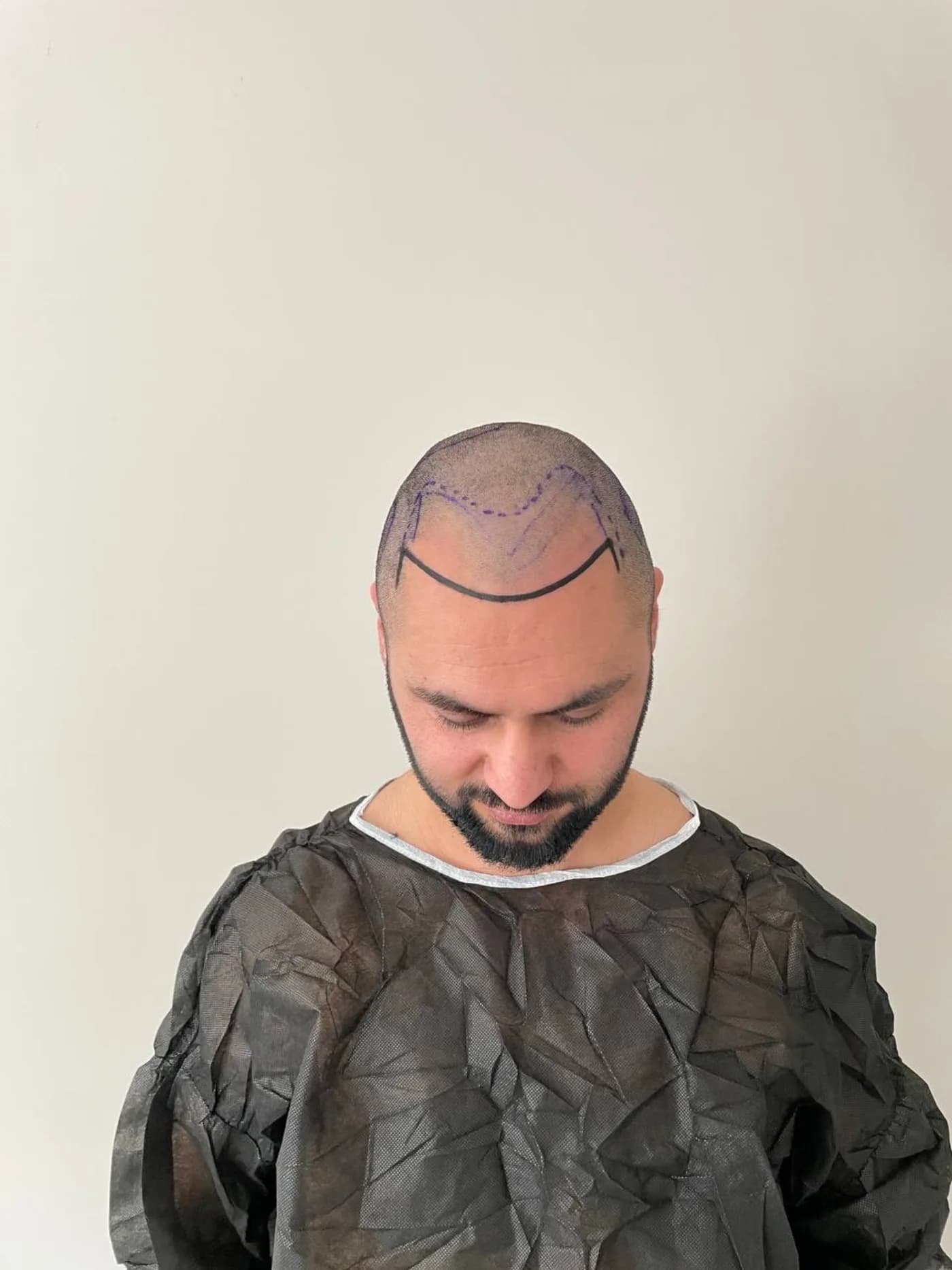
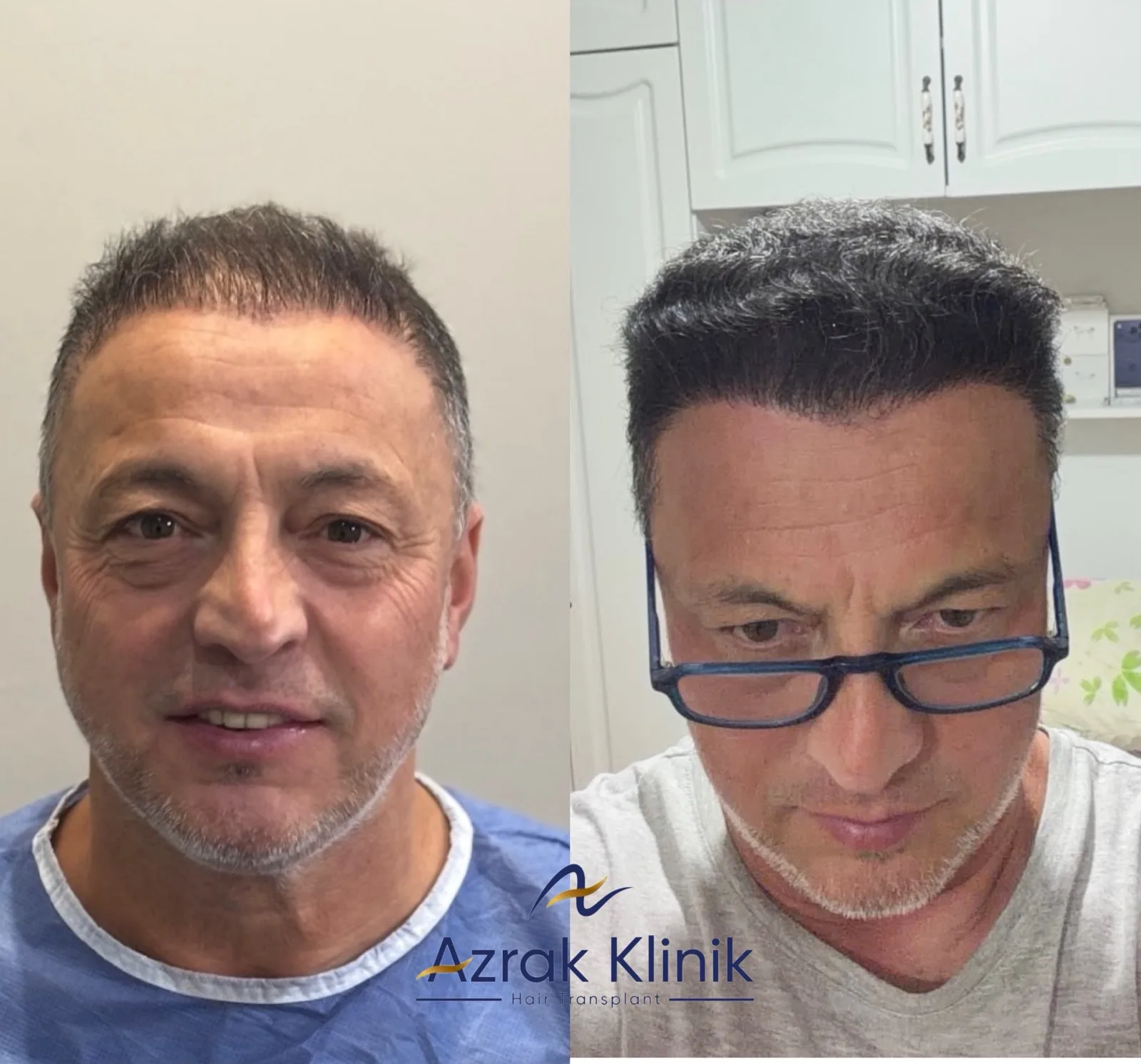
4 patients. Every pair is the same patient, before and after. No filters, no styling tricks, no cases borrowed from another clinic.
How to read a before-and-after photo honestly
Lighting does more work in these photographs than most clinics admit. A scalp lit from above looks thin; the same scalp lit from the front looks dense. Look for pairs shot from the same angle, in the same light, with the same hair length — anything else is a comparison of photography, not of surgery.
Be skeptical of wet-hair “before” shots set against dry, styled “after” shots. Be skeptical of a top-down before and a head-on after. And be skeptical of any gallery where every patient has thick, dark, straight hair — that is the easiest case in hair transplantation, and showing only those is a choice.
The results shown here were achieved in these patients. Hair transplantation is a surgical procedure; outcomes vary with donor density, scalp laxity, healing and technique, and no result is guaranteed. Yours will be different.
What a results gallery can and cannot tell you
A before-and-after photograph is evidence of one thing only: that this particular patient, with this particular donor area, achieved this particular result. It is not a prediction, and the further your hair type, Norwood stage and donor density are from the person in the picture, the less it says about you.
It is still worth studying, because the way a gallery is put together reveals a great deal about the clinic that put it together. Five details separate documentation from advertising, and they are easy to check on any clinic’s website, including this one.
- Identical angle, lighting and hair length in both frames. A scalp lit from above looks thin and the same scalp lit from the front looks dense — that single difference can manufacture a result.
- A stated month for the after photo. Month eight and month fourteen are visibly different results, and a gallery that leaves out the month is leaving it out deliberately.
- Graft count and technique for each individual case, not for the gallery as a whole.
- Variety: crown cases, revisions, fine hair, high-contrast hair, and results that are good rather than spectacular. A gallery of nothing but dramatic frontal cases in thick dark hair is a selection, not a sample.
- Documented patient consent for publication. It is a legal requirement and a reasonable thing to ask about.
Why some of our data is still marked 'pending confirmation'
You will notice that the cases here do not yet state a graft count, technique or month. That is a deliberate choice. We publish the fields we can verify from the clinical record and leave the rest blank rather than filling it with a plausible guess, because an estimated month attached to a real photograph is a fabricated claim about a medical outcome.
The same rule governs everything else on this site. There are no patient reviews published here yet, because we do not write them, and none have been collected and consented in a form we can stand behind. For the same reason, there is no aggregate star rating in our structured data. When these exist, they will appear with their source attached.
What individual variation actually means
Two patients given identical surgery by the same surgeon on the same day can end up with visibly different results, and the reasons are largely outside anyone’s control. Graft survival varies with the blood supply of the recipient bed. Hair caliber determines how much scalp each hair covers. The contrast between hair color and skin tone changes how dense the same density looks. Smoking, uncontrolled diabetes and thyroid disease slow and thin the result.
This is why every photograph on this page carries the same caveat, and why it is not boilerplate: these results were achieved in these patients, hair transplantation is surgery, outcomes vary, and no result is guaranteed. A clinic that promises otherwise is making a claim it cannot keep.
Not sure where you stand?
A free assessment gives you a measured graft range and a clear answer on whether surgery is the right move this year.
Get a free assessmentPhotographing your own result
If you have surgery — here or anywhere else — build your own series from day one. Same room, same time of day, same overhead light, dry unstyled hair, four angles including the crown from above, at months one, three, six, twelve and eighteen. It takes two minutes, and it is the only answer to the question that dominates month five: is anything actually happening?
It also protects you. A patient with a photo series can have a specific conversation with the surgeon about a specific area at a specific month. A patient without one is arguing from memory against someone holding a chart, and memory is unreliable about hair in both directions — it flatters the past and discounts slow improvement.
Wondering what your donor area can actually cover?
Send four answers and the clinical team will give you a graft range and a straightforward assessment.